
Novel Treatment: Upgrading the Standard of Care for Neuromyelitis Optica Spectrum Disorder (NMOSD)
This enduring activity will cover the treatment of patients with neuromyelitis optica spectrum disorder.

This enduring activity will cover the treatment of patients with neuromyelitis optica spectrum disorder.

This virtual satellite symposium discusses best practices for managing people with influenza who are at high risk for developing pulmonary complications. 2D animation technology is incorporated throughout the program to highlight the mechanism of action of point-of-care tests (POCTs) and antiviral treatments approved for treatment. Clinical data supporting the efficacy of antivirals and guidance on their use will also be provided.

In this virtual program, we will explore the management of Parkinson’s disease psychosis (PDP)–a condition that affects a substantial percentage of patients with Parkinson’s disease, typically in the later stages. Through this interactive program, clinicians will recognize symptoms, features, and diagnostic best practices in PDP. In addition, participants will learn about the underlying pathophysiology of PDP and treatments targeting these underlying pathways pivotal to the progression of PDP. Through an improved understanding of PDP, clinicians will gain insights and tools to better manage patients with PDP. Through interactive case studies presented by expert faculty, learners will be able to better evaluate pharmacologic approaches to PDP management and the efficacy and safety of approved therapeutic options. In addition, engaging whiteboard animations presented throughout will reinforce concepts learned in didactic portion, ensuring that participants understand the pathophysiology and mechanisms involved in pharmacologic management of PDP.

The case-based online activity will cover the treatment and management of patients with chronic and diabetic kidney disease (DKD).

Upon the completion of this program, attendees should be able to:

This enduring program consists of presentations from expert faculty and simulation challenge animations that will explain immune dysfunction and the pathogenesis of moderate-to-severe asthma, currently available and emerging targeted therapies used for asthma, and the usefulness and application of guidelines and biomarkers to guide treatment selection for this disease.

In this virtual program, we will explore the management of Parkinson’s disease psychosis (PDP)–a condition that affects a substantial percentage of patients with Parkinson’s disease, typically in the later stages. Through this interactive program, clinicians will recognize symptoms, features, and diagnostic best practices in PDP. In addition, participants will learn about the underlying pathophysiology of PDP and treatments targeting these underlying pathways pivotal to the progression of PDP. Through an improved understanding of PDP, clinicians will gain insights and tools to better manage patients with PDP. Through interactive case studies presented by expert faculty, learners will be able to better evaluate pharmacologic approaches to PDP management and the efficacy and safety of approved therapeutic options. In addition, engaging whiteboard animations presented throughout will reinforce concepts learned in didactic portion, ensuring that participants understand the pathophysiology and mechanisms involved in pharmacologic management of PDP.

Recent advances in treatment strategies promise to improve the lives of patients with sickle cell disease or hemophilia. In this program, experts in both fields will assist clinicians in developing individualized management plans using state-of-the-art and emerging therapies, and highlight opportunities to implement multidisciplinary, patient-centered approaches to care. Case studies and interactive question and answers will provide learners practice in applying patient-specific factors to treatment decisions. This activity will feature whiteboard animations that will reinforce learning and help participants gain a higher level of understanding.

This case-based online activity will help gynecologists and medical oncologists improve the timeliness of screening for women at risk for cervical cancer and the accuracy of diagnosis; and recognize the limitations of currently available regimens for recurrent and metastatic disease. The education will also seek to expand awareness of the integral role that the immune system plays in the pathology of cervical cancer and how IO agents in late-stage development for patients with recurrent or metastatic cervical cancer potentially could be integrated into practice once available.

This activity is designed to meet the educational needs of rheumatologists, rheumatology-related nurse practitioners, physician assistants and fellows.


This activity will explore strategies to improve glycemic and metabolic outcomes in patients with type 2 diabetes mellitus (T2DM). A review of clinical trial data will enable clinicians to personalize the selection of therapies for patients and examine the role of emerging dual GIP and GLP-1 receptor agonists in the management of type 2 diabetes and obesity.

This program is intended to help HCPs improve the diagnosis of SMA among older adolescent and adult patients and learn how the changing treatment landscape may alter patient outcomes.

This enduring activity is intended for dermatologists, pediatric dermatologists, and dermatology advanced providers (NPs and PAs) who are involved in the care and treatment of patients with alopecia areata.


This series of TeleECHO activities will discuss the management of patients with advanced and/or metastatic (m) renal cell carcinoma (RCC) and therapeutic options available in the first line setting.


This case-based online activity is designed to provide clinicians with an overview of prurigo nodularis (PN), the importance of early diagnosis, and our latest understanding of the management options for the disease.


This activity is designed to help lipidologists, cardiologists, and other healthcare professionals involved in the management of US veterans with familial hypercholesterolemia (FH) to improve cholesterol and cardiovascular outcomes for veteran patients.

This activity will help participants to overcome clinical inertia and other potential barriers to timely and appropriate insulin therapy in patients with type 2 diabetes. Participants will be equipped with an enhanced ability to select, titrate and adjust basal insulin regimens, and to successfully educate and empower their patients to self-manage their diabetes.

This enduring activity is a faculty-led didactic and case-based lecture focusing on the management of patients with hepatocellular carcinoma (HCC).

This activity provides a practice-based learning experience for dermatologist and primary care physicians regarding the assessment and treatment of alopecia areata (AA). By participating in this Simulation Center, learners will observe an interaction between a physician and their patient with AA and will test their knowledge of diagnosis and management at key decision points along the way. The burden of AA and its associated comorbidities will be highlighted, and you will learn strategies to effectively address the psychosocial impacts of this disease with your patients.

This enduring activity focuses on the treatment and management of patients with generalized myasthenia gravis (gMG).

This enduring activity discusses the underlying autoimmune causes of alopecia areata (AA) and the rationale of targeted treatment approaches. The burden of AA and its associated comorbidities will also be presented, and you will hear strategies to effectively address the psychosocial impacts of this disease with your patients. Features of this program include whiteboard animations and case studies.

This enduring activity is designed to review early identification strategies for MS; assess the variety of treatments available to treat the condition; and discuss ways to improve adherence, engagement, and clinician/patient communication.

This CME activity will help participants identify the characteristics of older adults with type 2 diabetes that require special consideration, assess older patients with type 2 diabetes, and develop personalized pharmacotherapeutic strategies for older patients with type 2 diabetes, both in the community and in long-term care, that include the use of fixed-ratio GLP-1 receptor agonist/insulin combinations. The activity features a Situation Room, a unique online program which employs a patient simulation platform. The situation room provides interactive quizzing, testing, and training via immersion-focused 3D simulations of scenarios encountered by clinicians who care for older adults with type 2 diabetes. The experience will be customized based on who is using the simulation. One track will be aimed at geriatricians and endocrinologists, and the other will be aimed at PCPs, physician extenders and consultant pharmacists. A slide presentation will guide the learners in their selection of treatment strategies.


This enduring activity will discuss the causes of alopecia areata and how to best manage this disease. Expert faculty will highlight the burden of alopecia areata and will offer participants strategies for implementing treatment plans that will not only address the disease itself, but also the overall health challenges for this patient population.

This case-based enduring activity is designed to help community oncologists and the multidisciplinary care team choose the optimal treatment for chronic lymphocytic leukemia (CLL) based on patient and disease characteristics, including performance status, organ function, comorbidities, drug interactions, and genetic and molecular biomarkers; monitor for and manage adverse events; and implement SDM into clinical practice to improve patient care and QoL.

This enduring activity discusses the underlying autoimmune causes of alopecia areata (AA) and the rationale of targeted treatment approaches. The burden of AA and its associated comorbidities will also be presented, and you will hear strategies to effectively address the psychosocial impacts of this disease with your patients. Features of this program include whiteboard animations, case presentations, and a pre-recorded Q&A session.

This enduring program is designed for allergists, otolaryngologists, primary care clinicians, and other clinical team members who manage chronic rhinosinusitis with nasal polyps. In this program, we will aim to discuss the burden and pathophysiology of CRSwNP, review guidelines for diagnosis and short- and long-term management, look at clinical data and biomarkers on current and novel anti-inflammatory biologics, and teach clinicians how to apply best practices for the interdisciplinary development of individualized treatment plans for these patients. We will use a combination of didactic lecture, video animations, and patient cases to effectively teach clinicians who manage this condition.

This enduring virtual activity targets healthcare gaps related to the diagnosis, treatment, and individualized management of AD, impacting outcomes through identifying burdens affecting quality of life, assessing disease severity when considering topical vs systemic intervention, and utilizing strategies in shared decision-making when determining guideline-based care.


The online activity will address renoprotective therapies in care of patients with T2D and CKD with a focus on mineralocorticoid receptor antagonists and SGLT2 inhibitors. Discussion will include mechanisms of action, emerging clinical data, best practices in screening patients, and management considerations for hyperkalemia.

This enduring TeleECHO activity will explore the use of JAK inhibitors for the management of rheumatoid arthritis (RA) through interactive case studies. Faculty will review emerging efficacy and safety data, discuss guideline recommended care of RA, and help clinicians identify candidates for treatment with JAK inhibitors.

This enduring activity targets healthcare gaps related to the diagnosis, treatment, and individualized management of hepatorenal syndrome with acute kidney injury (HRS-AKI), impacting outcomes through diagnosis and differentiation from other forms of AKI as well as individualizing pharmacotherapeutic management.

This educational activity will explore the use of monoclonal antibodies for the treatment and prevention of COVID-19 in pediatric patients. A review of available clinical data will help clinicians identify candidates for therapy and select appropriate treatments based on the most up-to-date information.

This enduring virtual activity targets healthcare gaps related to the treatment and management of AD in urban communities, impacting outcomes through identifying determinants that impact health in urban communities, implementing strategies in disease severity assessment across varying skin tones, and guideline-based care.

In this comprehensive and interactive CME activity, we will be presenting important topics in the area of diabetic kidney disease. The program includes slide-based material interspersed with interactive questions and case studies to enhance learning. The focus is on kidney disease in the diabetic patient, specifically mechanisms of disease, diagnosis and evaluation, and therapeutic options.

In this program; we will aim to discuss the cost burden and pathophysiology of CRSwNP, review guidelines for diagnosis and short- and long-term management, look at clinical data and biomarkers on current and novel anti-inflammatory biologics, and teach pharmacists how to apply best practices within the framework of interdisciplinary managed care of these patients. We will use a combination of didactic lecture, video animations, and patient cases to effectively teach pharmacists who see this condition.

This enduring MedGames is an interactive gamification-style CME activity that covers important topics in chronic spontaneous urticaria (CSU). The educational format of this program is engaging and covers the economic and physiological burden of CSU, diagnostic algorithms, guideline recommended step-care management, and efficacy and safety of current and emerging biologic therapy.

This enduring TeleECHO educational series targets healthcare gaps related to the familiarity and understanding of CDK4/6 inhibitor clinical trial designs and results on efficacy, safety, and real-world studies, impacting outcomes through current practice patterns and treatment strategies in the management of HR+/HER2- metastatic breast cancer (mBC).

This enduring activity focuses on the treatment and management of cold agglutinin disease.

This case-based online enduring activity will cover the treatment and management of patients with Type 2 diabetes mellitus (T2D) who are at high risk for chronic kidney disease.

Oncology nurses are in an inherently valuable position to be in the frontline of breast cancer treatment for patients. Given identified gaps and faculty feedback, the instructional design of this program is a multi-pronged educational approach designed for an oncology nursing audience.Â

This educational activity will assess the pathophysiology and disease domains of psoriatic arthritis as well as review FDA-approved agents and their roles in in treating the disease. Additionally, we will discuss the appropriateness of combination or monotherapy regimens and unanswered questions in this area.

This online activity will cover the pneumococcal vaccinations in specific populations.

This live virtual activity will help clinicians reduce the significant delay between onset of symptoms and diagnosis of axial spondyloarthritis (axSpA) by identifying patients with inflammatory back pain who should be promptly referred to a rheumatologist for further assessment. Case studies and engaging whiteboard animations on the features of axSpA and the consequences of delays in diagnosis create a memorable and practical learning experience.

This enduring activity will help clinicians reduce the significant delay between onset of symptoms and diagnosis of axial spondyloarthritis (axSpA) by identifying patients with inflammatory back pain who should be promptly referred to a rheumatologist for further assessment. Case studies and engaging whiteboard animations on the features of axSpA and the consequences of delays in diagnosis create a memorable and practical learning experience.

This activity provides a practice-based learning experience for medical oncologists, pulmonologists, nurse practitioners, and other health care providers, regarding the assessment and treatment of non-small cell lung cancer (NSCLC) in the first-line setting. By participating in this Simulation Center, learners will observe an interaction between a patient with NSCLC and their healthcare provider, and will test their knowledge of diagnosis and management at key decision points along the way.

Pneumococcal disease caused by Streptococcus pneumoniae is the leading cause of pneumonia-related deaths and poses an important global public health concern. There are several vaccines available for prevention of this disease, but their implementation in the clinic is challenged by complex recommendations of their administration for various patient populations and by complicated guidelines for appropriate spacing and sequencing of vaccine schedules. Managed Care Specialists need to understand the nuances of pneumococcal vaccines to guide physicians on their appropriate use to reduce infections and improve clinical outcomes, particularly for at-risk patients. This educational activity will explore the impact of pneumococcal disease, pathophysiology of disease, guidelines recommendations, and strategies for managing vaccine hesitancy. In addition to a didactic presentation, the program features animations and case discussions to highlight the different aspects of this disease.

Through a series of informative lectures and podcast interviews, this educational series will target clinicians in the field of rheumatology who have patients with psoriatic arthritis. We will provide the latest information on clinical presentation, differential diagnosis, therapeutic targets, and clinical trial data on current and emerging therapies to help learners reduce both short- and long-term consequences of the disease.

This online activity with an integrated case-based learning component will enable clinicians to recognize emerging targets in the management of anemia of chronic kidney disease (CKD) through an understanding of the underlying pathophysiology and clinical trials evaluating novel therapies. By integrating these data with the current standards of care in the management of anemia of CKD, clinicians will be better able to understand the role of multiple healthcare professionals in the management of this common complication of CKD. Additionally, the integrated case-based activity within this program will ensure that healthcare professionals can readily translate learnings to patient interactions, ensuring that patients and the healthcare team are aware fully aware of emerging therapeutic alternatives.

This enduring activity will focus on the T-cell Immunoreceptor with Ig and ITIM Domains (TIGIT).

This enduring TeleECHO program will explore the role of real-world evidence in informing management decisions of elderly and frail patients with relapsed and refractory multiple myeloma (RRMM). A brief didactic presentation will discuss prognostic features and key management considerations for the elderly and frail patient populations. A summary of clinical trial data and real world evidence to inform treatment selection in the first-line and relapse settings will also be presented. Interactive case studies will illustrate strategies for patient counseling and treatment selection in elderly and frail patients with RRMM.

This activity invites learners to experience a virtual world illustrating personalized therapy for advanced non-small cell lung cancer (NSCLC). It provides a unique opportunity for learning about checkpoint inhibitor mechanisms in NSCLC, important biomarkers used to guide clinical decisions, and immune-related adverse events.

This enduring activity covers the pathogenesis of Metastatic Castration-resistant Prostate Cancer (mCRPC) and which patients may benefit from using PARP Inhibitor–based Combinations.

This interactive online activity will explore the diagnosis and management of hypertrophic cardiomyopathy (HCM). A didactic presentation by expert faculty will review guideline recommendations and risk factors for complications, discuss pharmacologic and surgical treatment options, and examine clinical trial data on emerging agents. An animated case will allow learners to apply what they have learned in a simulated clinical encounter.

This CME program has been designed for endocrinologists who treat patients with type 2 diabetes. It aims to help learners evaluate the impact of weight loss and timely treatment intensification in patients with T2DM on glycemic and metabolic outcomes, and to increase knowledge of the mechanism of emerging GIP/GLP-1 receptor agonists and their impact on glycemic outcomes and body weight in order to advantageously integrate them into clinical practice when available.

This CME program has been designed to provide participants with the knowledge necessary to simultaneously address weight management and glycemic control in patients with type 2 diabetes and obesity/overweight. Participants will gain a greater understanding of guidelines-recommended pharmaceutical and lifestyle management strategies, and learn how incretin therapies with beneficial impacts on glycemic outcomes and body weight can be integrated into clinical practice. In addition to viewing a faculty presentation of relevant clinical data and guidelines, learners will participate in Med Games, an engaging gamified learning activity featuring interactive quizzes and video case studies that provide the opportunity to make decisions about patient care and get immediate feedback.

This enduring activity has been designed for HCPs treating metastatic castration-resistant prostate cancer (mCRPC) to improve: knowledge of the mechanisms of action of PARP inhibitor–based combinations for the treatment of patients with mCRPC with or without DNA damage response (DDR) alterations; awareness of new clinical data on the efficacy, safety, and tolerability of emerging PARP inhibitor–based combinations with different mechanisms of action for the treatment of patients with mCRPC; and their ability to develop individualized management plans for patients with mCRPC with or without DDR alterations that include PARP inhibitor–based combinations if appropriate.

This enduring MedGames is an interactive gamification-style CME activity that covers important topics in chronic spontaneous urticaria (CSU). The educational format of this program is engaging and covers the economic and physiological burden of CSU, diagnostic algorithms, guideline-recommended step-care management, and efficacy and safety of current and emerging biologic therapy.

In this educational activity, expert faculty will discuss the use of approved and authorized treatments for the management of patients hospitalized with COVID-19. A review of clinical trial data on the efficacy and safety of therapeutic options and strategies for selecting therapy based on disease severity and clinical factors will allow clinicians to reduce the need for invasive ventilation and improve patient outcomes.

This enduring activity will explore the diagnosis and management of NTM-LD. Whiteboard animations will identify common pitfalls that lead to delays in diagnosis and look at the mechanism of action of novel therapies for refractory disease. A case-based didactic lecture led by expert faculty will review guideline-recommended care, strategies to minimize adverse events, and clinical trial data on newer treatment options.

This case-based enduring activity will focus on the epidemiology, pathophysiology, diagnosis, and treatment of eosinophilic esophagitis (EoE). Patients with EoE are often diagnosed after symptom onset, leading to greater chronic inflammation, and treatment plans are frequently not tailored to individual needs. This activity is intended to help healthcare professionals diagnose EoE earlier and provide individualized treatment based on guidelines, recent clinical data and patient characteristics.

This educational activity will review clinical trial data on the use of authorized therapies for the management of patients hospitalized with COVID-19 and explore strategies to incorporate these therapeutic options into clinical practice. This program includes a whiteboard animation on the role of inflammation in the pathophysiology of severe COVID-19 and the mechanism of action of available treatment options.

This enduring activity will cover the treatment of patients with neuromyelitis optica spectrum disorder (NMOSD).

This enduring activity is designed to review the importance of chronic kidney disease (CKD) risk reduction in patients with T2D, how to evaluate opportunities to screen for CKD risk in patients with T2D and target reductions in albuminuria, the manageability of hyperkalemia and uniqueness of novel therapy, and key takeaways and practice changes.

This enduring activity will focus on the latest updates in the optimal management of cancer-associated venous thromboembolism (VTE) based on risk stratification, clinical trial data, and appropriate guideline-informed strategies to optimize clinical outcomes. This program will inform participants of the latest best practices as recommended by professional guidelines and will equip participants to integrate multidisciplinary care and shared decision-making in practice.

This case-based enduring activity is designed to provide clinicians with an overview of Short Bowel Syndrome and highlight its impact on patient quality of life.

This educational activity will explore best practices for the management of rheumatoid arthritis (RA), axial spondyloarthritis (axSpA) and psoriatic arthritis (PsA) and juvenile idiopathic arthritis (JIA). Expert faculty will review the latest information on clinical presentation, treatment recommendations, and clinical trial data on available therapies to help learners reduce both short- and long-term consequences of disease. An innovative simulation center will allow clinicians to apply what they have learned in an interactive, animated case.

Oncology nurses are in an inherently valuable position to be in the frontline for treatment of HER2-positive solid tumors. Given identified gaps and faculty feedback, the instructional design of this program is a multi-pronged educational approach designed for an oncology nursing audience. For additional resources, please visit www.oncologynurse-ce.com.

This online activity is designed to increase HCPs recognition of metabolic pathways involved in the pathophysiology of Gaucher disease; confidence discussing clinical trial data supporting improved outcomes in Gaucher disease; understanding of the potential for treatment to modify outcomes in Gaucher disease; and understanding of shared decision-making best practices for long-term management of Gaucher disease.

This enduring activity has been designed to help dermatologists, pediatric dermatologists, primary care physicians, advanced practice providers (NPs and PAs) and other healthcare providers who are involved in the care and treatment of patients with atopic dermatitis to assess patients for physical and psychosocial burdens of AD; identify candidates for systemic therapies; better evaluate recent clinical trial data on the efficacy and safety of JAK inhibitors for the management of moderate-to-severe AD; and apply evidence-based approaches to manage moderate-to-severe AD and monitor for adverse events.

This podcast will explore the management of patients with metastatic colorectal cancer (mCRC). Faculty will review strategies on personalizing the selection of treatment options based on molecular testing; and discuss the management of adverse events with targeted treatments for BRAF V600-mutant mCRC.

This enduring series will discuss the recognition and management of CKD risk in patients with T2D.

This activity discusses the growing impact of dengue fever worldwide and strategies to mitigate its spread. Featured topics of this program include signs and symptoms of dengue fever and differential diagnoses, the lifecycle of a dengue infection, and clinical trial data of approved and emerging vaccines.

This Community Whiteboard ECHO Series and Online Enduring activity is designed to increase the multi-disciplinary oncology care team recognition of the role of targeted and bispecific antibodies in management of relapsed/refractory DLBCL; strengthen their understanding of clinical trial outcomes and adverse events with targeted and bispecific antibodies; and improve their awareness of multidisciplinary best practices for managing adverse events from targeted therapies.

This activity features education regarding hormone therapy for children and adolescents with growth hormone (GH) deficiency. The program will discuss the diagnosis of GH deficiency, challenges of currently available therapies, clinical data of emerging therapies, and strategies to personalize care for childhood growth hormone deficiency (CGHD).

This case-based online activity is designed for retina specialists, ophthalmologists, primary care providers, optometrists, and other healthcare providers who manage patients with neovascular age-related macular degeneration and/or diabetic macular edema. The activity aims to improve treatment for patients who do not achieve optimal outcomes due to insufficient responses to therapy or insufficient adherence. In addition, it will elucidate the benefits and limitations of current therapeutic approaches, equip participants with strategies for improving the durability of treatment response in patients receiving intravitreal therapies, and provide education on new and emerging treatment strategies.

PODCAST ACTIVITY: These podcasts provide an up-to-date perspective on improving treatment for patients with neovascular age-related macular degeneration and/or diabetic macular edema who do not achieve optimal outcomes due to insufficient responses to therapy or insufficient adherence. This series of podcasts will elucidate the benefits and limitations of current therapeutic approaches for patients with nAMD or DME, equip participants with strategies for improving the durability of treatment response in patients receiving intravitreal therapies, and provide education on new and emerging treatment strategies.

This simulated activity depicts conversations between an oncologist, a pathologist, and a patient diagnosed with non-small cell lung cancer (NSCLC). You will watch as they engage with each other throughout the various stages of a patient’s journey, from the initial pathologic and oncologic workup at initial presentation to disease recurrence. You will participate in the simulation by answering questions throughout the activity. A brief slide presentations is available within each simulation center activity to enhance your understanding of immunological biomarkers.

This enduring TeleECHO program will explore key clinical practice insights for management of patients with BRAF-mutated metastatic melanoma. Over the course of this activity there will be discussion of the clinical profiles of frontline combination immuno- and targeted treatment options in BRAF-mutated metastatic melanoma as well as emerging data from clinical trials and real-world studies examining sequencing of these therapies. Interactive case studies will illustrate strategies for treatment selection, mitigation of adverse events, and management considerations for patients with BRAF-mutated metastatic melanoma.

This case-based virtual activity will cover the pathophysiology, clinical course, and underlying causes of NCFBE; summarize current evidence-based strategies for the diagnosis and treatment of patients with NCFBE; describe how neutrophilic inflammation and high levels of neutrophil serine proteases in patients with NCFBE provide the rationale for targeted treatment; and evaluate clinical data on therapies for NCFBE targeting neutrophilic inflammation neutrophil serine proteases.

This enduring activity discusses emerging treatments for advanced non-small cell lung cancer (NSCLC). It includes animations for learning about the role of TROP2, HER2, and HER3 in the pathogenesis of NSCLC, including the mechanisms of action and design of antibody drug conjugates targeting these pathways.

This enduring activity has been designed to help obstetrician gynecologists and other HCPs involved in the care and treatment of patients with uterine fibroids (UF) and/or endometriosis to better support prompt initiation of treatment through early and accurate diagnosis. Key goals of this activity are to justify the need for new treatment options for patients with UFs and endometriosis based on the challenges associated with standard-of-care medical therapies and assess the results of clinical trials supporting the efficacy and safety profiles of newly approved and emerging combination therapies including GnRH antagonists for the long-term management of UFs and endometriosis. Finally, this program will outline individualized management plans for patients with UFs based on new clinical guidance & shared decision-making.

The majority of Veterans with migraine are seen in the primary care setting. Therefore, primary care professionals (PCPs) managing Veterans with migraine will need education on the most effective ways to treat it using currently available therapeutic options. This educational program seeks to effectively close those gaps.

This enduring activity will explore the management of moderate-to-severe atopic dermatitis (AD) in pediatric and adolescent patients. Innovative whiteboard animations will review the mechanism of action of systemic therapies for AD and the impact of COVID-19 on treatment selection. A review of clinical trial data, guideline recommendations, and patient-specific factors that impact management decisions will help clinicians develop personalized treatment plans and improve patient outcomes.

This initiative aims to increase the Department of Veteran’s Affairs multidisciplinary care team’s knowledge of both the efficacy and safety data from clinical trials for patients with small-cell lung cancer and review the NCCN clinical practice guidelines to optimize the outcomes of patients.

This activity provides a snapshot of the growing impact of dengue fever in Puerto Rico and strategies for prevention. Featured topics of this program include the burden of dengue fever and clinical trial data of approved and emerging vaccines.

This CME program provides a comprehensive and up-to-date perspective on the evolving management of patients with inflammatory bowel disease (IBD). We will be discussing unmet needs in the current identification and management of IBD; identifying tools to assist with differential diagnosis, clinical assessment, and selection of effective therapies for IBD; and exploring the underlying pathophysiology of IBD and the role of JAK inhibition in modifying therapeutic outcomes.

This enduring program aims to provide clinicians and patients with up-to-date information on the presentation, prognosis, pathophysiology, and treatment strategies for individuals with CRSwNP. Our goal is to provide information that empowers clinicians and patients to speak openly about treatment decisions and improve the standard of care for patients with this challenging disease.

This educational activity has been designed for nephrology fellows to ensure recognition of CKD risk in patients with T2D, understand novel strategies for modifying CKD risk, and review the risk of other chronic complications of T2D. We aim to evaluate current strategies for the management of CKD in T2D using novel therapeutic agents that modify long-term clinical outcomes, including third-generation mineralocorticoid antagonists; describe current disparities in CKD care in T2D and strategies for integrating novel strategies in practice, including third-generation mineralocorticoid antagonists; and lastly to summarize safety data with novel agents in the management of CKD in T2D, including best practices for managing hyperkalemia with novel mineralocorticoid antagonists.

The online activity will address the need for novel therapeutic options, including updates on advances in regenerative medicine, for patient with complex perianal fistula associated with Crohn’s disease. Learners will evaluate the current burden of perianal fistula in Crohn’s disease, pathophysiology, and the characteristics of current and emerging mechanisms of therapy.

This TeleECHO activity was designed to help oncologists and the multidisciplinary care team personalize gastric cancer treatment based on biomarker testing and use targeted therapies for HER2 positive disease treatment beyond the first line.

This online educational activity targets essential elements of the pearls of diagnosis and management of patients with α-thalassemias. Enhance your ability to evaluate the genetic and molecular pathophysiology of the various members of the α-thalassemia family and associated clinical presentations by genotype, as well as the risks for acute and chronic complications. After the timely, accurate diagnosis of α-thalassemia is made, assess the utility of traditional management strategies and the impact of emerging disease-modifying pharmacotherapy for the management of patients with α-thalassemias.

This CME program has been designed for primary care clinicians, pharmacists, and diabetes educators who care for patients with diabetes as well as patient audiences to increase knowledge of the relationship of glucose variability (GV) and time in range (TIR) to macro- and microvascular outcomes; enhance the ability to explain the importance of continuous glucose monitoring (CGM) and various CGM metrics; and select among basal insulin formulations based on their impacts on TIR and GV.

This TeleECHO series has been designed for US-based rheumatologists, nurses, and allied healthcare professionals involved in the management of patients with rheumatoid arthritis (RA), to better interpret data from clinical trials supporting the efficacy, safety, and tolerability of JAK inhibitors (JAKi) with different mechanisms of action in patients with moderate-to-severe RA. This series will help health professionals incorporate new evidence-based management recommendations on the use of JAKi for patients with moderate-to-severe RA into clinical practice, and it also supports patient-centered multidisciplinary team-based approaches to the management of those patients with moderate-to-severe RA.
RELEASED DATE: October 03, 2022
EXPIRATION DATE: October 03, 2023

This enduring activity will help health care professionals better evaluate the potential for multi-cancer early detection technologies to improve cancer detection and therapeutic outcomes in cancer care; analyze the accuracy for application of multicancer early detection technologies and ongoing trials; and choose appropriate patient populations that may be candidates for screening with multicancer early detection technologies and ensure clinicians are ready to discuss the meaning of test results with patients.
RELEASE DATE: October 05, 2022
EXPIRATION DATE: October 05, 2023

This educational activity will explore best practices to ensure prompt and accurate diagnosis of COVID-19 infection and the provision of outpatient care for patients with COVID-19 while incorporating shared decision-making principles and addressing disparities in care.
RELEASED DATE: October 06, 2022
EXPIRATION DATE: October 06, 2023

This program will discuss tumorigenesis in advanced non-small cell lung cancer (NSCLC) and the mechanism of actions of checkpoint inhibitors, the latest clinical data describing the efficacy and safety of first-line use of PD-1 inhibitor therapy, alone and in combination, and the use of immunotherapy in the first-line treatment of NSCLC with no actionable mutations.
RELEASE DATE: October 07, 2022
EXPIRATION DATE: October 07, 2023

This TeleECHO session will explore the management of patients with metastatic colorectal cancer (mCRC) through a short, didactic presentation and interactive case studies. Faculty will review strategies on personalizing the selection of treatment options based on molecular testing; and discuss the management of adverse events with targeted treatments for BRAF V600-mutant mCRC.
RELEASED DATE: October 10, 2022
EXPIRATION DATE: October 10, 2023

RELEASED DATE: October 13, 2022
EXPIRATION DATE: October 13, 2023

RELEASED DATE: October 13, 2022
EXPIRATION DATE: October 13, 2023

RELEASED DATE: October 13, 2022
EXPIRATION DATE: October 13, 2023

RELEASED DATE: October 13, 2022
EXPIRATION DATE: October 13, 2023

This online educational program focuses on the latest data on mealtime insulin in patients with type 2 diabetes mellitus. In this program, clinicians will address appropriate treatment intensification strategies in consideration of patient-related factors, the latest clinical data, and key parameters for monitoring clinical response to mealtime insulin. Through this program, clinicians will improve their level of comfort with initiating mealtime insulins to optimize glycemic outcomes, including in underserved populations. Innovative learning strategies will reinforce the latest best practices to support clinician and patient understanding of the latest strategies in glycemic management.
RELEASED DATE: October 14, 2022
EXPIRATION DATE: October 14, 2023

This enduring activity has been designed for healthcare professionals involved in the management of patients with psoriasis to improve knowledge of the function of TYK2 in psoriasis; awareness of clinical profiles of emerging TYK2 inhibitors; their ability to discern the potential place of TYK2 inhibitors in current treatment algorithms; and the adoption of shared decision-making with patients.
RELEASED DATE:Â October 25, 2022
EXPIRATION DATE:Â October 25, 2023

This activity will address the challenges faced by clinicians in managing older patients with T2DM. Participants will be equipped with an enhanced ability to apply current guideline recommendations and clinical data to management plans, personalize diabetes treatment for older adults in long-term care facilities and in the community, and gain greater knowledge of the rationale for using fixed ratio combinations of basal insulin and GLP-1 receptor agonists in older adults with T2DM.
RELEASE DATE: October 26, 2022
EXPIRATION DATE: October 26, 2023

This activity features education regarding the links between obesity and diabetes, the role of the incretin system in these metabolic disorders, and use of incretin therapies to manage diabetes-related obesity.
RELEASED DATE: October 26, 2022
EXPIRATION DATE: October 26, 2023

This enduring activity is designed to help HCPs improve their ability to evaluate the risk of pneumococcal infection from a population perspective and consider the importance of various serotypes in managing population health; assess clinical data and specific data with pneumococcal serotypes to determine treatment options in the context of guidelines; and to apply best practices in implementing pneumococcal vaccination schedules to improve health outcomes.
RELEASED DATE: October 26, 2022
EXPIRATION DATE: October 26, 2023

This enduring activity is faculty-led didactic and case-based interactive activities focusing on the management of patients with Type 2 diabetes and obesity. This CME program has been designed to help clinicians recognize overweight/obesity as an important treatment target; utilize guidelines and clinical data on the use of incretin therapies for treatment intensification; and implement shared decision making to better engage patients and personalize care.
RELEASED DATE:Â October 27, 2022
EXPIRATION DATE:Â October 27, 2023

This activity discusses the care of patients hospitalized with SARS-CoV-2 infection. The program will address the burden of COVID-19 in the US as well as the currently circulating strains. The program is designed to help clinicians integrate the latest treatment guidelines and management strategies for this patient population into their practice. The program will present the results of the latest clinical trials of novel therapies for COVID 19 to inform clinicians’ choice of therapy for patients hospitalized with SARS-CoV-2 to reduce the risk of mortality.
RELEASED DATE: November 1, 2022
EXPIRATION DATE: November 1, 2023

This enduring TeleECHO podcast will explore key clinical practice insights for patients with advanced or metastatic basal cell or cutaneous squamous cell carcinomas (NMSCs). Over the course of this activity there will be discussion of the data from clinical trials assessing the clinical profiles of new systemic therapies with different mechanisms of action for the treatment of patients with advanced NMSCs failing or not amenable to surgery or radiation; integrating methods for identifying and managing side effects associated with new systemic therapies for the treatment of patients with advanced NMSCs into routine clinical practice; categorizing the types of patients with unresectable NMSCs who may benefit from new systemic therapies for the treatment of advanced NMSCs; and lastly enhancing patient management including care coordination through participation in interdisciplinary care teams for those with advanced NMSCs failing or not amenable to surgery or radiation.
RELEASED DATE: November 3, 2022
EXPIRATION DATE: November 3, 2023

This educational activity will explore the appropriate place in the therapy paradigm for immunotherapy in patients with head and neck cancer, as well as managing adverse effects of immunotherapies.
RELEASED DATE: November 04, 2022
EXPIRATION DATE: November 04, 2023

RELEASED DATE: November 4, 2022
EXPIRATION DATE: November 4, 2023

RELEASED DATE: March 16, 2023
EXPIRATION DATE: March 16, 2024

This program addresses current evidence-based perspectives in first-line management of advanced non-small cell lung cancer (NSCLC) in the first-line setting based on biomarkers, tumor histology, and patient-specific factors. By analyzing current clinical trial data and patient subgroups, clinicians will gain an understanding of therapeutic strategies, including checkpoint inhibitor monotherapy and checkpoint inhibitors in combination with chemotherapy. Given updates in the early-line management of NSCLC, it is crucial for multidisciplinary health care professionals to maintain awareness of novel combinations and potential adverse events associated with therapy, including immune-related adverse events. This program will emphasize best practices in multidisciplinary management, adverse event monitoring, and ongoing care to optimize therapeutic outcomes.
RELEASED DATE: September 29, 2023
EXPIRATION DATE: September 29, 2024

This educational activity will help HCPs identify strategies to manage CRSwNP that are aligned with evidence-based guidelines, discuss the clinical evidence for novel, emerging therapeutic agents for the treatment of CRSwNP, and describe strategies to effectively select treatment based on patient-specific factors and expert guidance.
RELEASED DATE: October 24, 2023
EXPIRATION DATE: October 24, 2024

This activity will inform clinicians of the latest technological advances for patients with cataract, including practical considerations to improve surgical efficiency. Specifically, the program will discuss improving refractive outcomes with newer pre-operative and intra-operative diagnostic tools including the use of femtosecond-laser assisted surgery and heads-up display visualization systems. These advances, which will also be presented as a whiteboard animation, are changing the landscape for modern cataract surgery.
RELEASED DATE: February 16, 2024
EXPIRATION DATE: February 16, 2025

This educational initiative is designed for pharmacists in the United States and globally who are involved in the care of patients with early symptomatic Alzheimer’s disease (MCI due to AD, or mild dementia due to AD). It uses a multi-component platform – the DETECT Initiative – to increase learner ability to: review evolving clinical data informing the use of anti-amyloid therapeutics (ATTs) in the care of patients with AD, including mechanisms, efficacy, safety, and dosing and administration best practices; apply best practices for individualized patient counseling to ensure adequate monitoring and management in the provision of ATTs; design guideline-informed evidence-based protocols for preparation, dosing, and scheduling of ATTs in the clinical settings; and facilitate the management of financial and reimbursement issues for patients receiving ATTs.
RELEASED DATE: March 12, 2025
EXPIRATION DATE: March 12, 2026

This educational activity focuses on the role of antibody therapeutics in treating non-Hodgkin lymphoma (NHL). Through a Whiteboard Educational Snapshot, managed care and multidisciplinary healthcare professionals will explore the rationale behind employing antibody therapies, notably bispecific antibodies, in NHL management. The program features a whiteboard learning experience incorporated into the activity to demonstrate and reinforce the role of antibodies in NHL management, a case study illustrating the practical application of antibody therapeutics, and infographic data highlighting recent clinical data updates and their value-based implications. Participants will gain insights into the significance of recognizing potential adverse events linked to antibody therapeutics in NHL treatment, with an emphasis on effective monitoring and management protocols. This enduring program is designed to deliver concise, impactful education for optimal learning outcomes.
RELEASED DATE: March 14, 2025
EXPIRATION DATE: March 14, 2026

This enduring activity is designed to meet the educational needs of academic and community oncologists caring for patients with non-small cell lung cancer (NSCLC). Our expert faculty aim to help healthcare providers understand the pathologic and biologic role of TROP2 in NSCLC oncogenesis. This program will also review the latest clinical efficacy and safety data on antibody-drug conjugates (ADCs) for relapsed/refractory NSCLC, and will address adverse event management with TROP2-directed ADCs in advanced or metastatic NSCLC, by applying multidisciplinary best practices.
RELEASED DATE: March 24, 2025
EXPIRATION DATE: March 24, 2026

The DETECT T1D enduring summit meeting has been designed to bring together multidisciplinary faculty and a type 1 diabetes (T1D) patient advocate to discuss practical considerations in screening, follow-up, early referral, and treatment to delay T1D progression. The program focus will also address both clinician and patient challenges to optimize early identification and patient selection. This program will feature small group breakout discussions to analyze relevant cases, and offer an opportunity to access a learning gallery featuring additional educational aids and resources to reinforce engagement and boost understanding of evolving concepts in early-stage T1D.
RELEASED DATE: March 31, 2025
EXPIRATION DATE: March 31, 2026

This program will focus on assessing treatment options in patients who are suffering from multiple myeloma. It will focus on the unique immunologic activity that bispecific antibodies bring to the treatment of relapsed/refractory multiple myeloma (R/R MM). In addition, we will review clinical updates for the efficacy and safety of bispecific antibodies in treatment as well as review best prophylaxis and management practices as a result of adverse events associated with bispecific antibodies.
RELEASED DATE: April 01, 2025
EXPIRATION DATE: April 01, 2026

This program brings to life the underlying and interconnected pathophysiology that is responsible for cardiometabolic disease. Understanding how diabetes, heart disease, obesity, hypertension, and other metabolic disorders are interrelated provides important information when determining treatment pathways.
RELEASED DATE: April 03, 2025
EXPIRATION DATE: April 03, 2026

This educational Fellows Focal Point whiteboard micromodule offers ophthalmology and retina specialty fellows an opportunity to understand how artificial intelligence (AI) may be used as a tool in the management of retinal disease. Learn about the potential role AI can play in supporting clinical decision making with anti-VEGF therapy, potential applications of AI across the patient journey, and considerations to effectively and safely incorporate AI into clinical workflow.
RELEASED DATE: April 11, 2025
EXPIRATION DATE: April 11, 2026

Welcome to this short “snapshot” of type 2 inflammation, designed to increase the knowledge base of clinicians who manage type 2 inflammatory conditions such as atopic dermatitis, COPD, asthma, prurigo nodularis, and eosinophilic esophagitis. In this program, our speaker will take you on a journey through the key components of type 2 inflammation and how they interact to establish a type 2 inflammatory response. Additionally, the program will analyze the interplay between diseases that share underlying type 2 inflammation pathophysiology and review currently approved biologics that target type 2 inflammation.
RELEASED DATE: April 15, 2025
EXPIRATION DATE: April 15, 2026

This program is designed to help optometrists and ophthalmologists better identify the best methods for early detection and differentiation of Demodex blepharitis from other ocular conditions to facilitate a timely and accurate diagnosis; and assess the clinical profiles of approved novel therapeutic agents that promote mite eradication.
RELEASED DATE: April 15, 2025
EXPIRATION DATE: April 15, 2026

The DETECT T1D enduring summit meeting has been designed to bring together multidisciplinary faculty and a type 1 diabetes (T1D) patient advocate to discuss practical considerations in screening, follow-up, early referral, and treatment to delay T1D progression. The program focus will also address both clinician and patient challenges to optimize early identification and patient selection. This program will feature small group breakout discussions to analyze relevant cases, and offer an opportunity to access a learning gallery featuring additional educational aids and resources to reinforce engagement and boost understanding of evolving concepts in early-stage T1D.
RELEASED DATE: April 18, 2025
EXPIRATION DATE: April 18, 2026

This Educational Snapshot online activity aims to help clinicians better explain the etiopathogenesis of IBD, including the molecular attributes IL-23 and CD64, and how biologics, including IL-23-targeting therapies, take advantage of the Th17 pathway and are becoming a primary component of IBD management. Also to be discussed are strategies to improve patient outcomes, improve medication adherence, and reduce costs. This includes treatment algorithms, shared decision-making (SDM), and tracking symptom response, AEs, and objective endpoints.
RELEASED DATE: April 29, 2025
EXPIRATION DATE: April 29, 2026

This enduring activity has been designed to support primary care clinicians in improving the care of patients with early-stage type 1 diabetes (T1D). This includes proper screening for early detection, determining next steps for monitoring and follow-up, as well as coordination and referral for disease-modifying therapy. Primary care clinicians play a crucial role in the evolving landscape of early-stage T1D, and this program will provide important clinical pearls through interactive discussions, engaging animations, and actionable tools and resources for optimal multidisciplinary treatment of early-stage T1D.
RELEASED DATE: May 02, 2025
EXPIRATION DATE: May 02, 2026

Antibody-drug conjugates (ADCs) are an important advancement in the treatment of cancer. We are pleased to present an informative enduring activity designed to equip you with information and skills needed to optimally use ADCs for your patients with advanced gynecologic cancers. The format of this program includes didactic presentations, case presentations, and discussion sessions, along with audience response technology. Renowned experts will review the latest evidence and clinical guidelines related to ADCs for women’s cancers and share their perspectives and guidance on incorporating these agents into practice, including individualized treatment planning and multidisciplinary toxicity monitoring and management.
RELEASED DATE: May 05, 2025
EXPIRATION DATE: May 05, 2026


This enduring interactive and engaging educational activity is designed to support hematologists in  advancing their knowledge and clinical skills related to the diagnosis and management of thalassemias. The  program provides exploration of the genetic and clinical characteristics associated with α- and β thalassemias, as well as a review of diagnostic standards and management of transfusion-related  complications. Participants will examine clinical evidence supporting emerging therapeutic strategies,  including pyruvate kinase activation, as well as practical approaches to incorporating novel pharmacologic  therapies into treatment.
RELEASED DATE: May 15, 2025
EXPIRATION DATE: May 15, 2026

In this enduring grand rounds program, we will provide instruction on screening, diagnosing, and staging of mild cognitive impairment and Alzheimer’s disease. The lecture and case-based scenarios will educate on the appropriate use of disease-modifying therapy, assessing and managing adverse events associated with these therapies, and implementing tools to solve issues with access to therapy. Finally, the faculty will discuss shared decision making and multidisciplinary teams as essential elements for successful care of these patients.
RELEASED DATE: May 15, 2025
EXPIRATION DATE: May 15, 2026

The goal of this program is to help learners increase their ability to develop effective treatment plans based on clinical practice guidelines for patients with advanced ovarian cancer who have responded to front-line chemotherapy. The program will help clinicians develop toxicity management and monitoring plans to mitigate adverse events associated with PARP inhibitor maintenance therapy, implement guideline-concordant treatment as part of ovarian cancer management, and recognize inequities in ovarian cancer care to address healthcare disparities.
RELEASED DATE: May 15, 2025
EXPIRATION DATE: May 15, 2026

This educational Fellows Focal Point whiteboard micromodule offers ophthalmology and retina specialty fellows an opportunity to understand the impact of comorbidities and polypharmacy can have on people with retinal disease. Learn about the burden of comorbidities and polypharmacy, their associations with undertreatment or nonadherence in the management of retinal disease, along with strategies to help address these complex patients.
RELEASED DATE: May 16, 2025
EXPIRATION DATE: May 16, 2026

This four-episode podcast is designed to identify and analyze the educational needs and practice gaps that exist among healthcare practitioners who are involved in the diagnosis and management of patients with Alzheimer’s disease. This program will educate participants on providing a timely diagnosis, referral, and appropriate treatment. We will hear from a primary care physician, a neurologist, a geriatrician, and a geriatric psychiatrist on the importance of multidisciplinary care and shared decisions in the diagnosis and treatment of mild cognitive impairment (MCI) due to Alzheimer’s disease (AD).
RELEASED DATE: April 25, 2025
EXPIRATION DATE: May 16, 2026

This program is designed to provide urologists and advanced practice providers in primary care with evidence-based strategies for managing overactive bladder (OAB) in patients receiving treatment for benign prostate hyperplasia (BPH), including an in-depth review of the latest clinical advances in pharmacotherapies, managing treatment-related adverse events, and integrating clinical guideline recommendations into treatment plans. A vivid whiteboard animation depicts the disease state, mechanisms of targeted pharmacotherapies, and associated clinical evidence for learners to explore and gain the knowledge to drive treatment selections more effectively.
RELEASED DATE: May 16, 2025
EXPIRATION DATE: May 16, 2026

This innovative online educational programming is designed to meet the educational needs of payers, clinical pharmacists, medical oncologists, hematologists, nurse practitioners, and other members of the multi-disciplinary oncology care team. Using a combination of slides, infographic data, and a whiteboard animation, we aim to help learners understand the importance of bispecific antibodies including interpretation of their safety and efficacy data, in addressing previously unmet needs in the management of DLBCL and FL. This will help to inform coverage for patients with DLBCL and FL. Additionally, the goal is to familiarize learners with potential adverse events associated with the use of bispecific antibodies and discuss strategies for their monitoring and management in clinical practice.
RELEASED DATE: April 30, 2025
EXPIRATION DATE: May 16, 2026

This enduring activity is designed to provide healthcare professionals with the latest evidence and strategies for managing moderate-to-severe asthma, focusing on biologic therapies. The program will review all the available tools required to make informed decisions about choosing the right biologic treatment options along with providing patient-centered communication and education to improve the overall management of patients suffering with this restrictive lung condition.
RELEASED DATE: May 17, 2025
EXPIRATION DATE: May 17, 2026

This enduring activity is designed to provide healthcare professionals with a comprehensive understanding of the role of type 2 inflammation in the pathophysiology of Chronic Obstructive Pulmonary Disease (COPD) and its implications for treatment strategies. The latest developments in the treatment of COPD using approved and investigational biologics will be discussed featuring evidence-based and real-world experiences. Participants will gain valuable insights into improving the management of COPD using a multidisciplinary approach.
RELEASED DATE: May 17, 2025
EXPIRATION DATE: May 17, 2026

This educational activity is designed to provide participants with important clinical information on screening, diagnosing, and staging mild cognitive impairment and Alzheimer’s disease. Through the use of high-quality images and graphics, along with detailed slide-based presentation, our faculty will address clinical practice recommendations informing the use of disease-modifying therapy for Alzheimer’s disease, and provide tools on how to best assess and manage potential adverse events associated with these agents. This educational program will help clinicians to apply best practices for shared decision making with patients, including discussion of treatment benefits, risks, and therapy expectations.
RELEASED DATE: May 20, 2025
EXPIRATION DATE: May 20, 2026

This educational case escalation series is designed to improve your use of primary maintenance therapy for patients with advanced ovarian cancer through personalized and multidisciplinary treatment planning and adverse event management, as well as improved recognition of barriers to delivery of guideline-concordant care. This activity is comprised of 3 interactive, video-based modules that escalate in complexity. Each module includes a brief clinical primer, followed by case presentation and discussion. Throughout the modules, you will have the opportunity to share your approaches and perspectives, while watching the expert faculty provide evidence-based rationale for their own strategies. The activity also includes point-of-care resources such as personalized posters and video micromodules.
RELEASED DATE: May 21, 2025
EXPIRATION DATE: May 21, 2026

This enduring educational activity aims to enhance the ability of hematologists/oncologists and the broader multidisciplinary oncology team with the latest insights into the evolving treatment landscape of relapsed/refractory (R/R) diffuse large B-cell lymphoma (DLBCL). Expert-led discussion will explore the clinical significance of key biomarkers in guiding treatment decisions, the most recent safety and efficacy data on available therapies, and patient-specific factors influencing treatment choices. Additionally, the program will highlight strategies for recognizing and managing potential adverse events associated with current treatment options. Attendees will gain actionable knowledge to optimize care for patients with R/R DLBCL.
RELEASED DATE: May 23, 2025
EXPIRATION DATE: May 23, 2026

This enduring activity is designed to help clinicians to improve their care of patients with Alzheimer’s Disease through integration of appropriate screening, diagnosis, and staging pathways for MCI and AD. Clinicians will learn how to integrate current evidence-based guidelines to inform selection of disease-modifying therapy for AD patients and improve their ability to monitor for and manage potential adverse events associated with these therapies. Participants will also learn about the use of shared decision-making (SDM) approaches with patients and caregivers to facilitate diagnosis and optimize care plans.
RELEASED DATE: May 30, 2025
EXPIRATION DATE: May 30, 2026

The goal of this program is to provide practicing clinicians recommendations informing the use of disease-modifying therapies (DMTs) for Alzheimer’s disease (AD) and the identification of those who qualify for treatment based on available clinical data, as well as information on how to manage potential adverse events associated with DMTs for AD using a multidisciplinary approach.
RELEASED DATE: May 30, 2025
EXPIRATION DATE: May 30, 2026

This enduring, case-based educational program is designed for oncologists and pathologists. Expert faculty will discuss key topics surrounding HER2 testing in metastatic breast cancer, using cases to illustrate and reinforce core principles and knowledge. Upon completion of the program, learners from the target audience will be better able to apply evidence-based guidelines and recommendations toward optimizing HER2 testing, interpretation and reporting. Further, they will be better able to determine treatment pathways for metastatic breast cancers, based on HER2 testing outcomes.
RELEASED DATE: May 30, 2025
EXPIRATION DATE: May 30, 2026

This Virtual Reality Room is designed to help learners appropriately select treatment for advanced NETs; understand criteria for referral based on tumor characteristics; evaluate evidence-based strategies for sequencing SSAs, PRRT, and targeted therapies to optimize patient outcomes; and assess clinical trial data to integrate of current and emerging therapies for high-grade NETs into clinical practice.
RELEASED DATE: May 31, 2025
EXPIRATION DATE: May 31, 2026

This enduring activity is designed to offer multidisciplinary expert perspectives on the early identification of mild cognitive impairment (MCI) associated with Alzheimer’s disease (AD), appropriate patient referral, as well as treatment individualization for AD, focusing on disease-modifying therapies and their application to patient care. Through expert pearls and interactive case-based discussions, this series will highlight key considerations across both primary and specialty care in order to optimize multidisciplinary collaboration and patient outcomes throughout the care continuum.
RELEASED DATE: June 01, 2025
EXPIRATION DATE: June 01, 2026

This program has been designed to enhance learners’ understanding of the complex pathophysiologic relationship linking gut microbiota and inflammation to obesity and inflammatory bowel disease (IBD). Participants will gain insight on the clinical application of findings from pharmacologic trials to optimize the management of patients with obesity and IBD via real word case studies. The program emphasizes a multidisciplinary approach to care, highlighting the identification of negative outcomes linked to obesity and IBD, and promotes the integration of comorbidity awareness into comprehensive patient care plan.
RELEASED DATE: May 30, 2025
EXPIRATION DATE: June 05, 2026

This online enduring program is a comprehensive educational program for health care providers (HCPs) in the United States interested in type 1 diabetes (T1D) screening and monitoring programs. This activity aims to raise awareness among HCPs and communities about the critical importance of early detection and the severe consequences of delayed diagnosis of type 1 diabetes. In addition, it will educate and empower HCPs and healthcare organizations with the knowledge, competence, and tools necessary for effective screening, age-specific monitoring practices, and timely diagnosis.
RELEASED DATE: June 06, 2024
EXPIRATION DATE: June 06, 2026

We are pleased to present an innovative enduring activity employing various educational methods to assist clinicians in enhancing their understanding of the intricate pathophysiology of COPD. This symposium will also focus on the application of evidence-based diagnostic and treatment guidelines for COPD in clinical settings, as well as the development of individualized management strategies for COPD patients that prioritize patient-centered care and shared decision-making practices.
RELEASED DATE: June 10, 2025
EXPIRATION DATE: June 10, 2026

This educational activity is designed for surgical dermatologists, Mohs surgeons, dermatologists, and other healthcare professionals who manage patients with advanced or metastatic basal cell carcinoma or cutaneous squamous cell carcinoma. Our goal is to help these clinicians better explain the risk assessment of patients with non-melanoma skin cancers (NMSCs) who may derive optimal benefit with new systemic therapies when compared to Mohs surgery, incorporate patient trials data for systemic immunotherapy into the treatment of both advanced cutaneous squamous cell carcinoma and basal cell carcinoma, and collaborate with other members of the NMSC healthcare team to provide a multidisciplinary approach to the development of treatment plans for individuals with high-risk NMSCs.
RELEASED DATE: June 10, 2025
EXPIRATION DATE: June 10, 2026

This educational Fellows Focal Point whiteboard micromodule offers ophthalmology and retina specialty fellows an opportunity to learn about the management of retinopathy of prematurity. Gain insight into the need for early detection and treatment, key considerations for laser photocoagulation, and the evolving role of anti-VEGF therapy in treating these babies.
RELEASED DATE: June 13, 2025
EXPIRATION DATE: June 13, 2026

The DETECT T1D podcast series is designed to educate multidisciplinary clinicians on practical considerations for type 1 diabetes (T1D) screening, post-screening steps, early referral, and administration of disease-modifying therapies. This episode focuses on the critical role of primary care clinicians in the screening, monitoring, and treatment of early stage T1D, providing actionable insights for effective patient management.
RELEASED DATE: June 13, 2025
EXPIRATION DATE: June 13, 2026

This enduring activity has been designed to help improve learners’ ability to understand the pathophysiology of Fibrosing Interstitial Lung Diseases (F-ILDs), their clinical characteristics, and the burdens associated with F-ILDs. With this updated knowledge, learners will be better equipped with best practices for diagnosing and treating patients with F-ILDs. New and emerging treatment options for F-ILDs will also be discussed, as well as the value of a multidisciplinary approach toward achieving optimal patient outcomes.
RELEASED DATE: June 18, 2025
EXPIRATION DATE: June 18, 2026

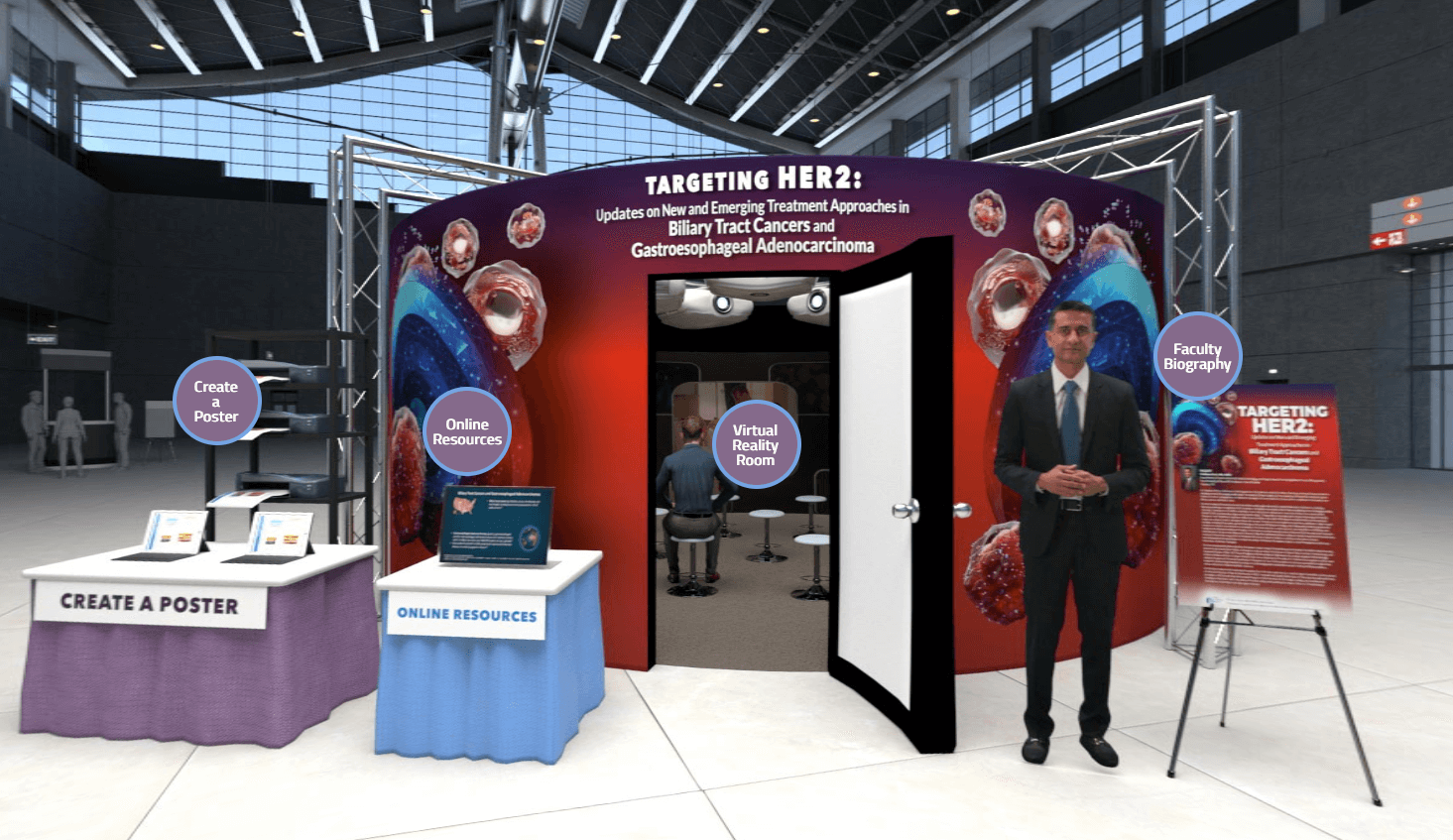
This enduring activity will explore the best-practice strategies for the use of molecular testing to determine HER2 expression levels in patients with GEA and BTC, applying current guidelines for the management of HER2-positive GEA and BTC to daily clinical practice, including evaluating the latest clinical data for HER2-targeted therapies in patients with HER2-positive GEA or BTC. Strategies for effective and proactivity managing the AEs associated with HER2-targeted therapy in patients with GEA or BTC will also be explored.
RELEASED DATE: June 23, 2025
EXPIRATION DATE: June 23, 2026

This enduring activity explores the evolving treatment landscape for low-grade gliomas, beginning with a concise review of glioma classification and the pivotal role of IDH mutations. Participants will review current and emerging definitions of high- and low-risk disease, assess clinical trial data supporting the use of IDH-targeted therapies, and discover how these findings are shaping modern treatment algorithms. Additionally, the activity underscores the importance of coordinated multidisciplinary care and examines emerging therapeutic strategies currently in development.
RELEASED DATE: June 26, 2025
EXPIRATION DATE: June 26, 2026

This online learning experience is aimed at guiding participants through the ICSD-3-TR diagnostic criteria for idiopathic hypersomnia, introducing techniques for early assessment and evaluation of IH, and highlighting the significant burdens of idiopathic hypersomnia, including its symptoms and their profound impact on patients’ quality of life. A key focus will be on the cardiovascular morbidities associated with excessive daytime sleepiness. The program will also explore treatment options, including the use of sodium oxybate as treatment for sleep disorders. While the original formulation’s sodium content may pose risks for patients with cardiovascular comorbidities, a newer low-sodium oxybate formulation will be discussed, along with other therapeutic options for managing patients with idiopathic hypersomnia.
RELEASED DATE: June 30, 2025
EXPIRATION DATE: June 30, 2026

Developmental and epileptic encephalopathies (DEEs) are seizure disorders that often start in infancy, are often drug-resistant, and are associated with seizures of long duration and major developmental delays or loss of developmental skills entirely. These conditions, while rare, are challenging to diagnose and effectively treat. In this CME program, we will address gaps in the prompt diagnosis and management of specific forms of DEEs, provide tips for adequate diagnostic assessment of DEEs and strategies to improve diagnostic work-up, and describe strategies to enhance transitions of care for patients with DEEs.
RELEASED DATE: June 30, 2025
EXPIRATION DATE: June 30, 2026

This podcast will describe the physical, emotional, social, and economic burdens associated with limb-girdle muscular dystrophy (LGMD) and its impact on caregivers, family, and healthcare systems. Additionally, it will address the rationale for genetic testing and how it contributes to the timely and accurate diagnosis of LGMD.
RELEASED DATE: April 25, 2025
EXPIRATION DATE: June 30, 2026

This educational program is designed to equip healthcare practitioners who care for patients with type 1 diabetes (T1D) with effective strategies for implementing timely screening protocols, including autoantibody screening, to facilitate early T1D diagnosis. Participants will gain expertise in safely integrating immunomodulatory agents into clinical practice while learning to monitor and prevent associated side effects. This distinctive program offers insights from both a diabetes expert and a patient/caregiver, providing a comprehensive perspective on T1D management.
RELEASED DATE: June 30, 2025
EXPIRATION DATE: June 30, 2026

This case-based educational activity is designed to enable providers who manage patients with Alzheimer’s disease (AD) to more effectively diagnose mild cognitive impairment (MCI) due to AD. Expert faculty will review updated criteria for screening, diagnosis, and staging; outline best practices for patient evaluation, including medical history and cognitive and diagnostic screening tools; and provide guidance on when to refer patients to specialists. Employing an interactive case-based learning platform, our faculty will assist learners with developing strategies to improve multidisciplinary and clinician/patient communication for shared decision making.
RELEASED DATE: June 30, 2025
EXPIRATION DATE: June 30, 2026

The identification of the estrogen receptor and its role in breast cancer development has driven the advancement of endocrine therapies. To maximize outcomes for patients with HR+/HER2- metastatic breast cancer, members of the of the multidisciplinary team must stay informed about the latest endocrine therapy options and combinations. This educational program aims to improve participants’ competence in using these therapies, analyzing molecular mutations and biomarkers, and selecting the most appropriate treatment for each patient. Through animated graphical imagery, videos, and didactic learning, faculty will explore the clinical application, efficacy, safety, and administration of these therapies. Real-world case studies will illustrate how these therapies may be used in HR+/HER2- metastatic breast cancer and equip learners with the knowledge to personalize treatment and address endocrine resistance effectively.
RELEASED DATE: July 07, 2025
EXPIRATION DATE: July 07, 2026>

This program addresses the importance of comprehensive molecular testing in metastatic colorectal cancer (mCRC) and outlines recent updates in clinical practice guideline recommendations for various molecular tests in mCRC. The program aims to bridge the gap in awareness of clinical trial data for approved targeted and immunotherapies for mCRC, as well as building knowledge of clinical trials that are currently assessing approved second-line treatments in the first-line setting. Additionally, the program is designed to increase awareness of pros and cons for different types of molecular testing available, including their associated sample requirements. Further program focus targets development of individual test strategies and the appreciation of individual practitioner roles as part of a molecular tumor board (MTB).
RELEASED DATE: July 09, 2025
EXPIRATION DATE: July 09, 2026

In this breast cancer grand rounds program, faculty will discuss current and emerging endocrine therapies for patients with HR+/HER2- metastatic breast cancer by reviewing clinical trials, treatment algorithms, and the currently available treatments for this type of cancer. Additionally, the speakers will discuss concepts in molecular testing and analysis of mutations to help inform treatment selection in this population.
RELEASED DATE: July 10, 2025
EXPIRATION DATE: July 10, 2026

This educational Fellows Focal Point whiteboard micromodule offers ophthalmology and retina specialty fellows an opportunity to learn about advances in the treatment of neovascular age-related macular degeneration and diabetic macular edema with anti-VEGF therapy. Gain insight into emerging evidence supporting the use of next-generation anti-VEGF agents, which have the potential to reduce treatment burden, enhance patient adherence, and improve vision outcomes across diverse patient profiles.
RELEASED DATE: July 11, 2025
EXPIRATION DATE: July 11, 2026

This enduring TeleECHO educational series focuses on neurofibromatosis 1 (NF1), a complex and heterogeneous genetic disorder with associated morbidities that significantly impair health-related quality of life. Engage with key experts in the field to improve knowledge regarding the pathophysiology of NF1 plexiform neurofibromas (NF1-PN) that have guided the investigation of targeted therapies which are revolutionizing the therapeutic landscape for both children and adults with symptomatic inoperable NF1-PN. Delve into in-depth discussions on case studies that bring real-world practical advice and involvement of comprehensive multidisciplinary care teams into the optimal care for patients to improve both their quality of life and disease outcomes.
RELEASED DATE: July 11, 2025
EXPIRATION DATE: July 11, 2026

The goal of this program is to increase the healthcare professional’s (HCP) ability to: analyze clinical data with use of HER2-targeted antibody-drug conjugates in HER2-expressing solid tumors; identify potential adverse events associated with HER2-targeted antibody-drug conjugates; and evaluate the need to accurately assess HER2 status in HER2-expressing solid tumors to facilitate use of HER2-targeted antibody-drug conjugates when appropriate.
RELEASED DATE: June 30, 2025
EXPIRATION DATE: July 15, 2026

This program provides a comprehensive expert overview of the critical role of screening and detection of early-stage type 1 diabetes (T1D), along with the importance of monitoring post-screening to identify individuals who may benefit from treatment with disease-modifying therapies (DMTs). In addition, the program explores the evidence with DMTs to delay T1D progression, as well as patient selection and practical considerations for their application to patient care. Through engaging animations and case-based discussions, this program will help reinforce key concepts in early stage T1D.
RELEASED DATE: July 16, 2025
EXPIRATION DATE: July 16, 2026

This three-track educational program is designed to provide clinicians with knowledge and skills to address both immediate and long-term challenges in managing patients with developmental and epileptic encephalopathies (DEEs). Through a case-based approach, the program emphasizes accurate differentiation of DEE conditions based on clinical presentation, diagnostic assessment, imaging, and genetic evaluation. It also covers evidence-based treatment selection guided by established treatment algorithms and expert consensus, effective transitions from pediatric to adult care, and shared decision-making strategies to improve seizure outcomes for patients with DEEs.
RELEASED DATE: July 17, 2025
EXPIRATION DATE: July 17, 2026

This multidisciplinary Clinical Minutes program brings together specialists from the oncology and ophthalmic communities to learn from each other about ocular toxicities associated with certain TROP-2-directed antibody-drug conjugates (ADCs). Their in-depth discussion includes the mechanisms of action of TROP-2-directed ADCs and how they may contribute to ocular toxicities, as well as the nature of ocular toxicities associated with these agents, including their frequency and severity. The panelists cover when to refer patients to an eye care provider, the role of the eye care provider, and best practices for prevention and management of ocular events. The program also includes a patient vignette that helps understand the patient experience and illustrate the points discussed by the panel.
RELEASED DATE: July 17, 2025
EXPIRATION DATE: July 17, 2026

The identification of the estrogen receptor and its role in breast cancer development has driven the advancement of endocrine therapies. In this enduring educational activity, expert faculty will examine the clinical application, efficacy, safety, and administration of these therapies for HR+/HER2- metastatic breast cancer. Through a case-based approach, participants will engage with real-world scenarios to understand tailored treatment strategies and approaches to overcoming endocrine resistance.
RELEASED DATE: July 18, 2025
EXPIRATION DATE: July 18, 2026

This program has been developed to educate health care practitioners who care for patients with Alzheimer’s disease on the importance of early diagnosis of mild cognitive impairment (MCI) due to Alzheimer’s disease, timely specialist referral, and effective treatment and monitoring of patients receiving anti-amyloid therapies. It highlights the importance of a multidisciplinary, shared decision-making approach to optimize care management. This Day in the Life docuseries provides unique insights into the patient’s journey from diagnosis to treatment and the physician’s perspective on the clinical strategies for managing disease symptoms.
RELEASED DATE: July 25, 2025
EXPIRATION DATE: July 25, 2026

This enduring TeleECHO module is designed to assist ophthalmologists and retina specialists in enhancing the accuracy and timeliness of geographic atrophy (GA) diagnoses. The program aims to streamline referrals for patients who may benefit from GA treatment and improve patient education on GA, including its progression and prognosis. Through in-depth discussions, it will deepen clinicians’ understanding of the complement system’s role in GA pathogenesis and expand their knowledge of novel complement inhibition therapies. Additionally, the program will strengthen familiarity with efficacy and safety data of complement inhibitors, clarify indications, dosing, and adverse events of approved GA treatments, and refine the selection of appropriate patients for complement inhibition therapy.
RELEASED DATE: July 28, 2025
EXPIRATION DATE: July 28, 2026

Parkinson’s Disease Psychosis (PDP) is a common non-motor symptom of Parkinson’s disease, affecting approximately 60% of veterans at some point during the disease. PDP is associated with debilitating symptoms, such as hallucinations and delusions, which considerably impact the quality of life of veterans. The goal here is to assess the impact of PDP on veterans, evaluate the effectiveness and tolerability of current treatments, and develop optimal strategies in managing PDP, with the goal of enhancing the overall quality of life for veterans living with Parkinson’s disease.
RELEASED DATE: July 29, 2025
EXPIRATION DATE: July 29, 2026

This dynamic, interactive educational activity is designed to enhance the knowledge and clinical competencies of healthcare providers who care for patients with food allergies. The program provides a comprehensive overview of the burden of food allergy, reviews current immunotherapy options, and explores clinical data on recently approved and emerging biologic treatments. Participants will evaluate the latest evidence supporting novel therapeutic strategies—including oral immunotherapy and anti-IgE therapy—and gain practical insights into integrating these novel therapies into treatment.
RELEASED DATE: July 30, 2025
EXPIRATION DATE: July 30, 2026

This enduring program is from the Multiple Myeloma Symposia held during the ASCO 2025 conference. It will focus on describing the mechanisms of action, efficacy and safety profiles of current and emerging therapies in multiple myeloma across different treatment settings. It integrates patient-specific factors, prognostic indicators, and current evidence to develop and implement personalized treatment plans across multiple lines of therapy. Additionally, the program addresses comprehensive management strategies for patients receiving immunotherapies, including referrals to specialized treatment centers, patient and caregiver education, expected outcomes, potential complications, and proactive monitoring protocols.
RELEASED DATE: July 30, 2025
EXPIRATION DATE: July 30, 2026

This program aims to increase health care professionals’ ability to: assess the range of pain and anxiety experienced by patients undergoing intrauterine device (IUD) procedures and apply a structured algorithm to evaluate individual risk factors and select appropriate pain management strategies. Participants will learn how to design and implement a multimodal approach to pain management for IUD placement that integrates best practices, including pharmacological and non-pharmacological interventions, to optimize patient comfort and experience.
RELEASED DATE: July 30, 2025
EXPIRATION DATE: July 30, 2026

This podcast will examine the challenges of achieving timely and accurate diagnoses of growth hormone deficiency (GHD) in pediatric and adult patients. It will also explore the clinical profiles of long-acting growth hormone therapies, along with the benefits and limitations of traditional standard-of-care treatments for patients with GHD.
RELEASED DATE: June 10, 2025
EXPIRATION DATE: July 30, 2026

This educational activity is designed to help clinicians enhance the care of patients with hepatic encephalopathy (HE), with a special emphasis on the U.S. veteran population. The program will explore the pathophysiology, risk factors, and clinical manifestations of HE, provide a comprehensive overview of evidence-based diagnostic strategies, and explore treatment options across the HE continuum, highlighting their application in patient care.
RELEASED DATE: July 30, 2025
EXPIRATION DATE: July 30, 2026

With multiple immunotherapy-based treatment options available for the frontline treatment of advanced/metastatic non-small cell lung cancer (NSCLC), clinicians require updates that inform individualized treatment planning. This interactive multicomponent program provides a review of current evidence-based guidelines and clinical data, including recent updates presented at ASCO, regarding optimal use of immune checkpoint inhibition for metastatic NSCLC. The array of resources and tools offered will help you use best practices in your clinical practice that incorporate shared decision-making and the multidisciplinary team.
RELEASED DATE: July 31, 2025
EXPIRATION DATE: July 31, 2026

With multiple immunotherapy treatment options and combinations available for the management of melanoma, clinicians require up-to-date guidance on the application of clinical data—including recent findings presented at ASCO—to support shared decision-making and multidisciplinary care. In this concise program, Dr. Emily Ruiz reviews current evidence-based guidelines, presents clinical data informing treatment decisions, and demonstrates best practices for applying this data to patients with melanoma.
RELEASED DATE: July 31, 2025
EXPIRATION DATE: July 31, 2026

This concise podcast, part of a three-part series, features expert faculty discussing endocrine therapies for HR+/HER2- metastatic breast cancer and their optimal sequencing in clinical practice. Key topics include managing disease progression on CDK4/6 inhibitors, exploring combination therapies (eg, oral SERDs with CDK4/6 inhibitors), strategies for treatment sequencing and switching, and evaluating the clinical utility of ctDNA assays. Designed for healthcare professionals, this episode delivers practical insights to enhance patient care.
RELEASED DATE: June 27, 2025
EXPIRATION DATE: August 01, 2026

The enduring activity is designed to enhance the target healthcare professionals’ (HCPs) proficiency in applying current guidelines for HER2 testing in patients with gastroesophageal adenocarcinoma (GEA) and biliary tract cancer (BTC). By exploring the efficacy of HER2-targeted therapies for HER2-positive GEA and BTC, the activity seeks to equip HCP’s with the knowledge to develop effective treatment plans and provide robust support for patients experiencing adverse events associated with these therapies.
RELEASED DATE: August 08, 2025
EXPIRATION DATE: August 08, 2026

This virtual program was built to present some of the latest information on congenital adrenal hyperplasia (CAH) in a visually engaging format. Participants will explore CAH signs and symptoms; review the genetic underpinnings of the disease; differentiate between classic and non-classic CAH; review CAH standard of care therapies; evaluate the profiles of new and emerging agents for CAH with unique mechanisms of action; and support shared decision-making approaches to patient management.
RELEASED DATE: August 12, 2025
EXPIRATION DATE: August 12, 2026

This virtual symposium will overview the benefits of screening for type 1 diabetes (T1D), as well as evidence-based screening and early detection methods to identify presymptomatic T1D in order to intervene early with disease-modifying therapies (DMTs) to delay disease progression. In addition, through expert faculty conversations, high impact animations, and patient cases, this activity will provide valuable insights to pediatric endocrinologists and other clinicians that see T1D patients on identifying appropriate patients who would benefit from treatment with DMTs, as well as considerations for administration of these therapies according to guidance and patient-specific factors.
RELEASED DATE: August 25, 2025
EXPIRATION DATE: August 25, 2026

This activity will provide an overview of the rationale for new and emerging disease-modifying therapies (DMTs) to delay progression of type 1 diabetes (T1D), as well as how to identify appropriate patients that could benefit from these therapies. In addition, through case-based education, this activity will highlight practical considerations for DMTs in T1D, including their administration and application to patient care based on evidence and patient-specific factors.
RELEASED DATE: August 29, 2025
EXPIRATION DATE: August 29, 2026

This CME activity will provide hematologists and oncologists with practical, case-based insights into the management of patients with relapsed or refractory B-cell non-Hodgkin’s lymphoma, with a special focus on follicular lymphoma (R/R FL). Expert faculty will review prognostic tools and clinical features, including early relapse, to guide risk stratification and inform treatment planning. The program will highlight the role of bispecific antibody therapies, with an emphasis on integrating clinical trial data into personalized care strategies. Special attention will be given to proactive recognition, grading, and management of toxicities, particularly cytokine release syndrome, as well as best practices in infection prophylaxis and monitoring. Through didactic discussion, illustrative case study, and whiteboard animation, learners will gain strategies to optimize outcomes and safely implement bispecific therapies for patients with R/R FL.
RELEASED DATE: August 29, 2025
EXPIRATION DATE: August 29, 2026

This CME activity will provide practical information to oncologists and hematologists on the use of BCMA-targeted bispecific antibodies for the treatment of relapsed or refractory multiple myeloma, including rationale and patient selection. Expert faculty will review clinical efficacy and safety data from pivotal trials to guide individualized treatment planning. Proactive recognition, grading, and management of immune-related adverse events will be discussed. The program will conclude with a whiteboard animation and case-based discussion to reinforce key strategies for optimizing outcomes.
RELEASED DATE: August 29, 2025
EXPIRATION DATE: August 29, 2026

This program aims to help clinicians better identify clinical presentation features of atopic dermatitis (AD) warranting a timely and accurate differential diagnosis; recognize patients for whom biologic therapies should be considered as part of treatment plans for the management of moderate-to-severe AD, and coordinate with specialists to provide patient-specific, long-term care for moderate-to-severe AD.
RELEASED DATE: August 29, 2025
EXPIRATION DATE: August 29, 2026

This educational activity is designed to meet the educational needs of healthcare providers who manage patients with cardiorenal metabolic (CRM) conditions. Through high-definition slides, case studies, and immersive whiteboard animation, the program clarifies the shared pathophysiological mechanisms underlying CRM conditions, emphasizing the role of RAAS blockade. It explores the scientific foundation for employing therapies with demonstrated cardiorenal protective effects. Additionally, the program highlights the therapeutic potential of novel and emerging treatment modalities with established cardiorenal advantages, detailing their mechanisms of action and summarizing key clinical trial data on efficacy and safety.
RELEASED DATE: August 29, 2025
EXPIRATION DATE: August 29, 2026

This interactive learning environment will help you visualize and apply updates in frontline management of advanced melanoma. New combinations and targets in immune checkpoint inhibitor (ICI)-based therapy are changing first-line therapy for many patients with unresectable or metastatic melanoma. This interactive audiovisual experience will reinforce your understanding of latest data from clinical trials of immunotherapy for melanoma, highlight potential adverse events associated with treatment, and illustrate the importance of patient-centered, multidisciplinary care. Join us today to explore the use of ICIs for advanced melanoma management from a new perspective.
RELEASED DATE: August 29, 2025
EXPIRATION DATE: August 29, 2026

This case-based educational activity is designed to help Alzheimer’s disease and dementia providers diagnose AD earlier in the disease course through comprehensive history and physical, validated cognitive assessments, neuroimaging, and referral, when appropriate. Through interactive case-based learning, our faculty will assist learners in developing strategies to improve multidisciplinary care and clinician/patient communication to facilitate the best possible treatment outcomes.
RELEASED DATE: August 29, 2025
EXPIRATION DATE: August 29, 2026

This Educational Snapshot Activity is designed to address the learning needs of healthcare providers who manage patients at risk for stroke recurrence. The program clarifies the role of factor XIa (FXIa) in thrombus formation and stroke initiation, highlighting its potential as a therapeutic target. It presents emerging clinical evidence supporting FXIa-targeted novel oral therapies for secondary stroke prevention and emphasizes the need for antithrombotic options with reduced bleeding risk. Additionally, the activity promotes the application of patient-centered, evidence-based strategies for the long-term management of individuals at risk for stroke recurrence, in alignment with current clinical guidelines.
RELEASED DATE: August 29, 2025
EXPIRATION DATE: August 29, 2026

This two-part case-based educational podcast activity is designed to help providers improve care for Alzheimer’s disease and related dementias. Podcast 1 focuses on diagnosing AD earlier in the disease course through comprehensive history and physical, quantitative assessments, neuroimaging, and referral, when appropriate.
RELEASED DATE: August 29, 2025
EXPIRATION DATE: August 29, 2026

This case-based educational enduring activity is designed to help Alzheimer’s disease and dementia healthcare providers optimize the use of anti-amyloid therapy for early Alzheimer’s disease. Through interactive case-based learning, our faculty will assist learners in developing strategies to improve multidisciplinary and clinician/patient communication skills to facilitate the best possible treatment outcomes.
RELEASED DATE: August 29, 2025
EXPIRATION DATE: August 29, 2026

The identification of the estrogen receptor and the role it has in the development of most breast cancers has led to the development of endocrine therapies. In this enduring program, the faculty will explore these therapies with regard to clinical usage, efficacy, safety, and administration. This case-based program will allow participants to experience real-life examples of how these therapies may be used for HR+/HER2- metastatic breast cancer and inform learners how to tailor treatment individually and overcome endocrine resistance.
RELEASED DATE: September 12, 2025
EXPIRATION DATE: September 12, 2026

This enduring program focuses on enhancing clinicians’ ability to screen and identify early-stage type 1 diabetes (T1D). In addition, the program will overview T1D screening criteria, follow-up after screening results, and communicating effectively with patients to guide timely treatment decisions. Learners will also explore evidence-based criteria for selecting appropriate candidates for T1D disease-modifying therapies, implementing protocols to ensure their safe and efficient administration, as well as how to appropriately refer to specialty care to enable their earlier use.
RELEASED DATE: September 18, 2025
EXPIRATION DATE: September 18, 2026

This case-based learning program guides participants through the latest advancements in treating mild cognitive impairment (MCI) due to Alzheimer’s disease (AD). Expert faculty will explore non-pharmacologic and symptomatic treatments for MCI, with a detailed focus on emerging disease-modifying therapies (DMTs) targeting amyloid plaques. The program will cover patient selection criteria, monitoring protocols, and management of adverse effects, including amyloid-related imaging abnormalities (ARIA). Additionally, Participants will learn strategies for involving patients and their family caregivers in shared treatment decision making.
RELEASED DATE: September 19, 2025
EXPIRATION DATE: September 19, 2026

This continuing educational activity is designed for healthcare professionals managing infants with Respiratory Syncytial Virus (RSV). It equips clinicians to identify the epidemiology, burden, and risk factors associated with severe RSV disease in infants. The program also enables participants to analyze the mechanisms of action and clinical trial data of new and emerging RSV treatments, including prophylactic medications and vaccination strategies; and to develop individualized evidence-based treatment plans based on current clinical guidelines.
RELEASED DATE: September 19, 2025
EXPIRATION DATE: September 19, 2026

This educational series is designed for pulmonologists, allergists, primary care providers, nurse practitioners, physician assistants, and other clinicians involved in the care of patients with COPD, with a specific focus on the unique needs and challenges of the Veteran population. The program enhances understanding of the inflammatory pathways driving COPD pathophysiology, highlighting etiological factors specific to Veterans. It addresses the clinical and economic impact of COPD in Veterans, emphasizing exacerbations, comorbidities, and service-related risk factors prevalent in the VA system. Participants will gain skills to improve diagnostic precision through recognition of distinct etiological endophenotypes and develop personalized, guideline-based treatment plans that prioritize a Veteran-centered, multidisciplinary approach to care.
RELEASED DATE: September 22, 2025
EXPIRATION DATE: September 22, 2026

This enduring global educational activity is tailored for endocrinologists, diabetes specialists, and other healthcare providers (HCPs) in Saudi Arabia and UAE. The program equips participants to implement guideline-based recommendations to promptly intensify treatment in patients with type 2 diabetes mellitus (T2DM) who are not achieving glycemic targets. It also guides HCPs in developing comprehensive T2DM management plans that prioritize weight control to reduce long-term complications and incorporate guideline-directed strategies to address cardiovascular risk factors, thereby minimizing associated risks.
RELEASED DATE: January 23, 2026
EXPIRATION DATE: September 23, 2026

This innovative educational activity is designed to equip nephrologists, primary care physicians, and advanced practice providers (APPs) with the latest evidence-based strategies for the early identification, diagnosis and management of patients at increased risk for chronic kidney disease (CKD). Through an engaging discussion between two leading experts, supplemented with patient and APP perspectives, we aim to help HCPs better: incorporate guideline recommendations into the practice setting through the routine screening and diagnosis of individuals at risk for CKD; describe the optimal use of pharmacologic interventions in the management patients at increased risk for CKD; and apply clinical efficacy and safety data for SGLT2 inhibitors to treatment discussions for vulnerable, frail patient populations to reduce both their CV risk and risk of CKD progression.
RELEASED DATE: September 30, 2025
EXPIRATION DATE: September 30, 2026

This innovative online enduring activity is designed to enhance clinicians’ understanding and management of atopic dermatitis (AD). It equips healthcare professionals with the knowledge to recognize the clinical characteristics of AD, highlighting key differences between adults and pediatric presentations. The program also explores the therapeutic benefits of biologics for patients with moderate-to-severe AD. Additionally, it promotes a multidisciplinary team (MDT) approach to improve collaboration across specialties, emphasizing timely dermatology referrals for optimal patient care.
RELEASED DATE: September 30, 2025
EXPIRATION DATE: September 30, 2026

This Clinical Minutes program aims to help HCPs increase their ability to: recognize patients with suspected IH or narcolepsy; provide an IH or narcolepsy differential diagnosis; develop personalized treatment plans for patients with IH and narcolepsy; and collaborate with patients and other members of the IH and narcolepsy MDT in the development and implementation of a personalized treatment plan.
RELEASED DATE: September 30, 2025
EXPIRATION DATE: September 30, 2026

This online interactive educational activity aims to provide hematologists/oncologists and the broader multidisciplinary oncology team with the latest insights into the evolving treatment landscape of chimeric antigen receptor T-cell therapy (CAR-T) for relapsed/refractory (R/R) B-cell lymphomas, including diffuse large B-cell lymphoma and follicular lymphoma. Expert-led discussions will focus on patient selection and referral pathways from community oncology practices to authorized CAR-T centers, collaborative care models between community and academic institutions, and the management of bridging therapy and CAR-T-related toxicities. Dynamic animations will visually illustrate referral processes and care coordination before and after CAR-T infusion. Participants will gain actionable insights to optimize patient outcomes through enhanced treatment selection, care coordination, and post-infusion management.
RELEASED DATE: October 01, 2025
EXPIRATION DATE: October 01, 2026

This hybrid (online) Whiteboard Satellite Symposium at the annual meeting of the Society of Hematologic Oncology (SOHO 2025) will have two expert faculty leading this activity which will incorporate high-definition slides, interactive case studies, and an immersive whiteboard animation. The program seeks to highlight the latest updates to the clinical guidelines as well as bring the best practices for treatment sequencing of patients with anemia associated with MF to life. The program will also highlight new clinical data for anemia-targeting agents in MF as well as help identify the patients who would benefit most from anemia-sparing therapies.
RELEASED DATE: October 10, 2025
EXPIRATION DATE: October 10, 2026

This enduring global educational activity is tailored for endocrinologists, diabetes specialists, and other healthcare providers (HCPs) in Japan. The program equips participants to implement guideline-based recommendations to promptly intensify treatment in patients with type 2 diabetes mellitus (T2DM) who are not achieving glycemic targets. It also guides HCPs in developing comprehensive T2DM management plans that prioritize weight control to reduce long-term complications and incorporate guideline-directed strategies to address cardiovascular risk factors, thereby minimizing associated risks.
RELEASED DATE: February 13, 2026
EXPIRATION DATE: October 13, 2026

This three-part podcast series is designed to provide clinicians with practical, evidence-based strategies for assessing and managing pain, while balancing the risks and benefits of opioid therapy. Each episode focuses on a different aspect of pain management and opioid stewardship, offering actionable insights that can be applied in everyday practice.
RELEASED DATE: October 15, 2025
EXPIRATION DATE: October 15, 2026

This interactive TeleECHO series aims to help clinicians diagnose patients with early-stage type 1 diabetes (T1D) by screening for the presence of islet autoantibodies (IAbs) as well as identify patients with Stage 2 T1D eligible for treatment with the disease-modifying therapy, teplizumab, which is approved to delay progression to Stage 3 T1D. Real-world case examples and discussions are included to highlight various patient-specific characteristics that influence clinical recommendations related to screening and treatment.
RELEASED DATE: October 15, 2025
EXPIRATION DATE: October 15, 2026

This educational Case Escalation Series is designed to improve your use of PI3K-pathway inhibitors for eligible patients with hormone-receptor‒positive, HER2-negative metastatic breast cancer through personalized and multidisciplinary treatment planning and adverse event management, as well as improved recognition of barriers to delivery of guideline-concordant care. This activity is comprised of three interactive, video-based modules that escalate in complexity. Each module includes a brief clinical primer, followed by case presentation and discussion. Throughout the modules, you will have the opportunity to share your approaches and perspectives, while watching the expert faculty provide evidence-based rationale for their own strategies. The activity also includes point-of-care resources such as personalized posters and video micromodules.
RELEASED DATE: October 02, 2025
EXPIRATION DATE: October 22, 2026

This enduring activity describes the diagnostic criteria for prostatic hyperplasia (BPH) and overactive bladder syndrome (OAB), including key features, differential diagnoses, screening tools, testing methods, and when urology referral is warranted; evaluate clinical data and guideline recommendations for current and emerging treatments for BPH and OAB; and utilize SDM and MDT approaches to individualize treatment, improve adherence, and appropriately manage comorbidities and adverse events (AEs).
RELEASED DATE: October 23, 2025
EXPIRATION DATE: October 23, 2026

This enduring activity is designed to enhance healthcare professionals’ understanding of the role of type 2 inflammation in asthma’s complex pathology and its impact on disease progression. Participants will explore evidence-based approaches for incorporating biologic therapies into individualized treatment plans and learn strategies for selecting the most appropriate biologic therapy based on patient-specific needs, preferences, and goals to optimize outcomes in moderate-to-severe asthma management. The program will also review GINA recommendations and when to incorporate biologic therapy.
RELEASED DATE: October 30, 2025
EXPIRATION DATE: October 30, 2026

This enduring HoloModule activity is designed to provide healthcare professionals with evidence-based strategies to effectively diagnose, treat, and manage chronic obstructive pulmonary disease (COPD). It focuses on disease pathophysiology, inflammatory endotypes, and multidisciplinary, patient-centered care with the goal of improving clinical outcomes in managing COPD.
RELEASED DATE: October 30, 2025
EXPIRATION DATE: October 30, 2026

This enduring educational activity targets healthcare professionals involved in the screening, diagnosis, and management of patients with pulmonary hypertension in interstitial lung disease (PH-ILD). This program aims to enhance participants’ ability to recognize clinical signs and symptoms suggestive of PH in patients with ILD, apply best practices for screening and timely specialist referral, understand diagnostic criteria based on current guidelines and expert recommendations, and adopt personalized treatment strategies that align with guidelines, expert opinion, and patient-specific factors.
RELEASED DATE: October 30, 2025
EXPIRATION DATE: October 30, 2026

This enduring program aims to help clinicians better recognize adult patients at elevated risk for severe RSV disease in clinical settings; analyze the clinical profiles of RSV vaccines and the ACIP guidelines for their application in high-risk adult populations; and discuss findings from real-world studies on the effectiveness of RSV vaccines in adults at high risk for severe disease.
RELEASED DATE: October 31, 2025
EXPIRATION DATE: October 31, 2026

This two-part case-based educational grand rounds activity is designed to enhance the capabilities of healthcare providers in managing Alzheimer’s disease and related dementias. Part one focuses on early diagnosis of AD through comprehensive history and physical examinations, quantitative assessments, neuroimaging, and appropriate referrals.
RELEASED DATE: October 31, 2025
EXPIRATION DATE: October 31, 2026

The enduring program aims at enhancing learners’ understanding of the complex pathophysiologic relationship between gut microbiota, inflammation, obesity, and inflammatory bowel disease (IBD). Participants will gain insights into key data from recent pharmacologic trials and recognize the clinical application of these findings through real-world case studies to optimize the management of patients with obesity and IBD. A key focus of the program is to underscore the importance of a multidisciplinary approach, emphasizing early identification of adverse outcomes and promoting the integration of comorbidity awareness into a comprehensive, individualized care plan.
RELEASED DATE: October 29, 2025
EXPIRATION DATE: October 31, 2026

This activity will bring together multidisciplinary expert clinicians, as well as a patient with type 1 diabetes (T1D), in order to overview opportunities for the practical application of T1D screening and to intervene early with disease-modifying therapies. In conversation with the faculty, the T1D patient will highlight their experience with T1D screening, what came next post-screening, as well as their journey to getting treatment to delay T1D progression. In addition, concise didactic presentations from faculty will be included to emphasize key concepts along this continuum of care in T1D.
RELEASED DATE: November 03, 2025
EXPIRATION DATE: November 03, 2026

This program aims to provide insight into the relationship between HTN and AFib, including how each contributes to the risk of HFpEF. Participants will learn to evaluate the role of emerging screening tools, including clinically validated pulse pressure waveform (PPW) technology, in the early detection and monitoring of AFib. Evidence-based strategies will be presented in the context of primary care, so that primary care providers will be able to appropriately screen patients with HTN and others at risk for AFib.
RELEASED DATE: November 05, 2025
EXPIRATION DATE: November 05, 2026

Esta actividad educativa internacional de formaciĂłn continua está dirigida a endocrinĂłlogos, especialistas en diabetes, y otros profesionales de la salud en España. El programa prepara a los participantes para implementar recomendaciones basadas en guĂas para intensificar rápidamente el tratamiento en pacientes con diabetes mellitus tipo 2 (DT2) que no están alcanzando los objetivos glucĂ©micos. TambiĂ©n guĂa a los profesionales de la salud en el desarrollo de un plan integral de manejo de la DT2 que priorice el control del peso para reducir las complicaciones a largo plazo, e incorpore estrategias basadas en las guĂas para abordar los factores de riesgo cardiovascular, minimizando asĂ los riesgos asociados.
Fecha de lanzamiento: 6 de marzo de 2026
Fecha de expiraciĂłn: 6 de noviembre de 2026

The DETECT T1D enduring activity unites multidisciplinary faculty and a type 1 diabetes (T1D) patient advocate to explore practical strategies for screening, follow-up, early referral, and treatment to delay T1D progression. The program addresses clinician and patient challenges to enhance early identification and optimize patient selection. Additionally, it provides access to our website with educational aids and resources to reinforce engagement and deepen understanding of evolving concepts in early-stage T1D management.
RELEASED DATE: November 07, 2025
EXPIRATION DATE: November 07, 2026

This educational Whiteboard Snapshot program offers ophthalmologists and retina specialists an opportunity to gain insight into optimizing treatment and disease management in patients with retinal vein occlusion using anti-VEGF therapy. Through the use of whiteboard animations and interactive cases, learners gain understanding of emerging evidence supporting the use of next-generation anti-VEGF agents, which have the potential to reduce treatment burden, enhance patient adherence, and improve vision outcomes across diverse patient profiles.
RELEASED DATE: November 10, 2025
EXPIRATION DATE: November 10, 2026

This Whiteboard Satellite Symposium featuring two leading experts in pediatric epilepsy and genetic neurodevelopmental disorders will be available virtually during the 54th Child Neurology Society Annual Meeting. The session will offer an interactive and visually engaging learning experience through high-definition slides, immersive whiteboard animation, and real-world case presentations. The overall program will provide a comprehensive overview of the latest clinical guidelines and explore best practices for providing individualized treatment for patients with Dravet Syndrome. Additionally, our experts will highlight the latest advances in genetic based therapies—ranging from clinical trial data, potential biomarkers, and the future role of these therapies in routine clinical practice.
RELEASED DATE: November 10, 2025
EXPIRATION DATE: November 10, 2026

This educational activity is designed to enhance medical professionals’ expertise in managing Demodex blepharitis by improving their ability to apply best practices for its early detection and accurate differentiation from other ocular conditions to ensure timely diagnosis. It will enable participants to assess the latest clinical evidence on novel therapeutics and their impact on patient outcomes, and equip them to integrate emerging agents into individualized management strategies.
RELEASED DATE: November 11, 2025
EXPIRATION DATE: November 11, 2026

This enduring program is designed to help health care practitioners who care for patients with psoriatic arthritis (PsA) recognize the various domains of PsA that patients present with and apply this knowledge, along with guideline recommendations, to treatment selection. Additionally, the program will provide updates on the clinical efficacy and safety data of current and emerging therapies and identify effective treatment strategies for patients with PsA who have comorbidities. This unique activity will provide an opportunity to hear from PsA experts as well as a patient.
RELEASED DATE: November 12, 2025
EXPIRATION DATE: November 12, 2026

This two-part case-based educational grand rounds activity is designed to enhance the capabilities of healthcare providers in managing Alzheimer’s disease and related dementias. Part two will equip learners with strategies to optimize the use of amyloid-targeting therapies and improve multidisciplinary collaboration and clinician-patient communication to achieve the best possible treatment outcomes.
RELEASED DATE: November 12, 2025
EXPIRATION DATE: November 12, 2026

This enduring educational activity is tailored for endocrinologists, diabetes specialists, and other healthcare providers (HCPs) globally. The program equips participants to implement guideline-based recommendations to promptly intensify treatment in patients with type 2 diabetes mellitus (T2DM) who are not achieving glycemic targets. It also guides HCPs in developing comprehensive T2DM management plans that prioritize weight control to reduce long-term complications and incorporate guideline-directed strategies to address cardiovascular risk factors, thereby minimizing associated risks.
RELEASED DATE: November 14, 2025
EXPIRATION DATE: July 14, 2026

This enduring activity explores the pathophysiology, clinical features, and overall burden of fibrosing interstitial lung diseases (F-ILDs), with a focus on idiopathic pulmonary fibrosis (IPF), progressive pulmonary fibrosis (PPF), and systemic autoimmune rheumatic disease–associated ILD (SARD-ILD). Participants will gain strategies to enhance diagnostic accuracy, interpret evidence from clinical trials of emerging therapies, and translate findings into practice. The program also emphasizes the critical role of multidisciplinary collaboration in delivering comprehensive, patient-centered management for individuals living with F-ILDs.
RELEASED DATE: November 14, 2025
EXPIRATION DATE: November 14, 2026

In this case-based presentation, faculty will assess the severity of IgG4-related disease (IgG4-RD) by exploring its varied clinical manifestations. The session will highlight the latest diagnostic and classification criteria to enable earlier identification of IgG4-RD. Additionally, faculty will review clinical trial data on current and emerging therapies to guide evidence-based treatment decisions.
RELEASED DATE: November 14, 2025
EXPIRATION DATE: November 14, 2025

This program addresses disparities in patient care concerning the treatment of neovascular age-related macular degeneration (nAMD), diabetic macular edema (DME), and retinal vein occlusion (RVO). Participants will learn to identify key patient factors driving inadequate initiation of and adherence to anti-VEGF therapy. Through case studies, they will examine how racial, ethnic, and socioeconomic disparities elevate risks of vision loss, increase loss to follow up, and worsen visual outcomes. The program also underscores the critical need for a more diverse ophthalmology workforce to improve access to care.
RELEASED DATE: November 14, 2025
EXPIRATION DATE: November 14, 2026

This aims to enhance the ability of eye care professionals to accurately detect Demodex blepharitis early and differentiate it from related ocular conditions. The discussion explores the prevalence of Demodex blepharitis, reasons for frequent misdiagnosis, and the reliability of clinical signs for precise diagnosis. It evaluates the shift from traditional management approaches and reviews the latest clinical data on novel therapies to improve patient outcomes.
RELEASED DATE: November 14, 2025
EXPIRATION DATE: November 14, 2026

These sessions explore the evolving role of second-generation anti-VEGF therapies in managing patients with diabetic macular edema/diabetic retinopathy (DME/DR). Through real-world clinical cases and interactive, small-group breakout discussions, participants will examine patient selection, treatment planning, and strategies to optimize durability and clinical outcomes. Led by expert faculty, each symposium fosters peer-to-peer collaboration and delivers practical insights for integrating these therapies into clinical practice. The intimate setting encourages meaningful exchange and focused learning. Don’t miss this opportunity to advance your expertise at these unique educational events.
RELEASED DATE: November 15, 2025
EXPIRATION DATE: November 15, 2026

This educational program will engage clinicians in recognizing and managing thymidine kinase 2 deficiency (TK2d) as a mitochondrial disease. The program integrates evidence-based knowledge with practical clinical applications to deepen understanding of molecular genetic testing, genotype–phenotype correlations, and emerging treatment strategies. Through case studies and patient scenarios, participants will learn to: identify TK2d in pediatric patients by recognizing specific clinical signs and symptoms that necessitate early diagnosis; utilize available molecular genetic tests to confirm TK2d and interpret potential genotype-phenotype correlations; and incorporate emerging treatment and management strategies into routine clinical practice. Point-of-care tools will support reflection and the practical application of learning into practice.
RELEASED DATE: November 19, 2025
EXPIRATION DATE: November 19, 2026

These sessions explore the evolving role of second-generation anti-VEGF therapies in managing patients with neovascular age-related macular degeneration (nAMD). Through real-world clinical cases and interactive, small-group breakout discussions, participants will examine patient selection, treatment planning, and strategies to optimize durability and clinical outcomes. Led by expert faculty, each symposium fosters peer-to-peer collaboration and delivers practical insights for integrating these therapies into clinical practice. The intimate setting encourages meaningful exchange and focused learning. Don’t miss this opportunity to advance your expertise at these unique educational events.
RELEASED DATE: November 20, 2025
EXPIRATION DATE: November 20, 2026

This new educational series is intended for community oncologists who diagnose and care for patients with non-small cell lung cancer (NSCLC), primarily in the USA, but also globally. It aims to help these providers better understand the role of trophoblast cell-surface antigen 2 (TROP2) in the pathophysiology of NSCLC and the rationale behind targeting TROP2 in select patients with heavily treated advanced NSCLC. The series will also highlight the advances in developing TROP2-targeting antibody-drug conjugates (ADCs), discuss pivotal clinical trial data showing their efficacy and safety stratified by tumor histology and molecular genetics, and discuss their unique adverse event profiles. Clinicians will learn to develop personalized treatment plans by increasing their familiarity with emerging and recently approved TROP2-targeting ADCs in specific populations of patients with NSCLC and will further recognize the importance of incorporating a multidisciplinary approach to management of the unique adverse events associated with TROP2 ADCs.
RELEASED DATE: November 20, 2025
EXPIRATION DATE: November 20, 2026

This educational activity is designed to equip providers managing patients with late-onset Pompe disease (LOPD) with essential skills for prompt diagnosis, developing treatment plans with advanced enzyme replacement therapy (ERT), and effective clinical monitoring. including strategies for ERT transitions. Through a case study–based format, participants will access practical point-of-care resources, including a personalized poster generation portal.
RELEASED DATE: November 21, 2025
EXPIRATION DATE: November 21, 2026

This program will unpack the latest clinical insights in NSCLC, including newly presented data from ESMO on ICI monotherapy and combination strategies. Through real-world clinical cases, participants will apply emerging efficacy, safety, and biomarker evidence to personalize treatment plans and strengthen proactive approaches for monitoring and managing immune-related adverse events. Faculty will guide learners in translating rapidly evolving science into practical, patient-centered decision-making across the lung cancer care continuum.
RELEASED DATE: November 21, 2025
EXPIRATION DATE: November 21, 2026

Veterans face a unique and heightened burden from moderate-to-severe asthma, experiencing worsened morbidity and mortality due to the condition. This grand rounds enduring is designed to equip healthcare professionals in the VA setting with practical, evidence-based strategies to improve care for veteran patients with moderate-to-severe asthma. Through interactive, case-based learning, participants will enhance their understanding of type 2 inflammation, gain proficiency in the use of biologic therapies, and learn to individualize treatment plans to their veteran patients’ needs, all with the goal of improving outcomes for veteran patients with moderate-to-severe asthma.
RELEASED DATE: November 21, 2025
EXPIRATION DATE: November 21, 2026

This program will dive into the latest advances in the management of non-melanoma skin cancers (NMSCs), including new data presented at ESMO. Through real-world clinical cases, faculty will guide participants in applying emerging evidence—particularly regarding neoadjuvant and adjuvant immune checkpoint inhibitors—to personalize treatment based on patient- and disease-specific risk factors. The session will also emphasize shared decision-making and multidisciplinary care to support coordinated, patient-centered treatment planning for individuals with advanced NMSCs.
RELEASED DATE: November 21, 2025
EXPIRATION DATE: November 21, 2026

This program will explore the evolving melanoma treatment landscape, unpacking the latest data presented at ESMO and other key meetings. Through real-world clinical cases, participants will apply emerging evidence—particularly around immune checkpoint inhibitors—to personalize care based on patient- and disease-specific factors. The faculty will also highlight shared decision-making and multidisciplinary strategies to ensure coordinated, patient-centered management for individuals with advanced melanoma.
RELEASED DATE: November 21, 2025
EXPIRATION DATE: November 21, 2026

This enduring continuing education activity is designed to explore the potential of novel, oral endocrine therapies (ET) as first-line therapy for ET-sensitive, hormone-receptor-positive (HR+), HER2-negative metastatic breast cancer. A renowned breast cancer expert will guide you through the latest relevant clinical trial efficacy and safety data in the context of current standards of care. This interactive, case-based program will include a review and discussion of novel ETs, implications of frontline use of oral selective estrogen receptor degraders in overall treatment planning, use of molecular testing to guide biomarker-informed decision making, and best practices in adverse event mitigation, including patient counseling, prevention, monitoring, recognition, and multidisciplinary team care.
RELEASED DATE: November 07, 2025
EXPIRATION DATE: November 21, 2026

This educational symposium is designed to equip healthcare professionals with the skills and knowledge necessary to optimize the management of patients with psoriasis (PsO). Attendees will learn to implement comprehensive assessment tools to evaluate disease severity and determine eligibility for systemic therapy accurately. The symposium will also explore current guideline recommendations alongside efficacy and safety data to support evidence-based selection among a broad and evolving array of treatment options, including emerging oral therapies. Additionally, attendees will be guided in designing individualized treatment plans through effective shared decision-making strategies that align with patient preferences and clinical goals.
RELEASED DATE: November 26, 2025
EXPIRATION DATE: November 26, 2026

This educational activity is designed to help clinicians enhance the care of patients with hepatic encephalopathy (HE), with a special emphasis on the U.S. veteran population. The program will explore the pathophysiology, risk factors, and clinical manifestations of HE, provide a comprehensive overview of evidence-based diagnostic strategies, and explore treatment options across the HE continuum, highlighting their application in patient care.
RELEASED DATE: December 01, 2025
EXPIRATION DATE: December 01, 2026

This five-module virtual preceptorship is designed to strengthen clinician competence in the assessment and management of both acute and chronic pain. Through expert-guided instruction and integrated whiteboard animations, participants will build practical skills in conducting comprehensive pain assessments, developing multimodal treatment plans, and initiating, titrating, and monitoring opioid therapy safely and effectively. The curriculum emphasizes the use of nonpharmacologic and nonopioid therapies, guideline-adherent opioid prescribing, and risk-mitigation strategies. Additional modules address patient counseling, recognition and management of opioid use disorder, and evidence-based criteria for timely referral to pain or addiction specialists.
RELEASED DATE: December 01, 2025
EXPIRATION DATE: December 01, 2026

This two-podcast series exploring FcRn antagonists for generalized myasthenia gravis (gMG), Dr. Pushpa Narayanaswami discusses the proposed mechanism of action of these novel therapies. Generalized myasthenia gravis is a lifelong autoimmune condition where conventional treatments often fail to provide sustained relief for many patients, highlighting the need for innovative therapeutic approaches. Dr. Narayanaswami explains how FcRn antagonists, a class of drugs designed to treat gMG, enhance the degradation of immunoglobulin G (IgG) antibodies, including the pathogenic autoantibodies driving the disorder.
RELEASED DATE: September 19, 2025
EXPIRATION DATE: December 04, 2026

This Educational Snapshot online activity will provide learners with key concepts on the role that obesity plays not only in driving cardiovascular disease (CVD) risk factors, but also in the development of CVD, as well as the immediate need to address overweight and obesity to reduce the risk of adverse CVD outcomes. The activity will explore strategies on how to initiate the conversation about obesity in patients with CVD, the role that newer anti-obesity medications, such as GLP-1 receptor agonists, have in reducing CVD burden and risk of recurrent events, as well as how to incorporate these agents to clinical practice. In addition, learners will be able to access a visually engaging animation that walks through the rationale and evidence for GLP-1 RAs in patients with CVD.
RELEASED DATE: December 05, 2025
EXPIRATION DATE: December 05, 2026

This program will explore the interconnected pathophysiology of cardiorenal-metabolic (CRM) disease, emphasizing the overlapping mechanisms driving chronic kidney disease (CKD), cardiovascular disease (CVD), and metabolic dysfunction. Participants will examine emerging clinical evidence and guideline-based strategies to identify and manage at-risk patients using novel therapies with dual cardiorenal benefits. Through real-world cases, faculty will demonstrate how to individualize treatment plans and optimize outcomes through multidisciplinary collaboration and shared decision-making.
RELEASED DATE: December 09, 2025
EXPIRATION DATE: December 09, 2026

This highly interactive, case-based program provides clinicians with practical, guideline-aligned strategies for the early identification and management of metabolic dysfunction–associated steatohepatitis (MASH). Through expert presentations and case discussions, participants will learn how to use noninvasive tests to diagnose and stage disease, address key cardiometabolic comorbidities, and incorporate lifestyle and weight-loss interventions. The program also reviews evidence supporting newly available and emerging treatments, along with guidance on selecting appropriate candidates for pharmacologic therapy. Attendees will gain actionable insights to enhance care coordination and optimize outcomes for patients with or at risk for MASH.
RELEASED DATE: December 11, 2025
EXPIRATION DATE: December 11, 2026

This online interactive educational series aims to review and apply treatment strategies for patients living with Rett syndrome. Presentations and animations review the Rett patient and caregiver journey and the latest clinical data on approved and emerging therapies. Case discussions aim to help clinicians evaluate optimal treatment regimens to improve and manage symptoms of individual patients and involve caregivers in treatment decision process.
RELEASED DATE: December 12, 2025
EXPIRATION DATE: December 12, 2026

This enduring educational program is designed for community hematologists and other healthcare professionals involved in the care of patients with sickle cell disease (SCD). It aims to deepen understanding of the extensive challenges posed by SCD, extending beyond pain crises. The sessions will review clinical data on the efficacy, safety, and tolerability of both existing and emerging pharmacokinetic (PK)-based therapies for SCD treatment. Additionally, the program will guide participants in creating personalized, long-term care plans that address organ dysfunction and enhance patients’ quality of life (QoL).
RELEASED DATE: December 12, 2025
EXPIRATION DATE: December 12, 2026

This educational activity is tailored for dermatology clinicians to enhance their expertise in diagnosing and managing of hidradenitis suppurativa (HS). The program will review evidence-based best practices and clinical strategies for early HS diagnosis, emphasizing the transformative role of biologic agents in treatment. It will also explore the practical use of these agents, focusing on individualizing therapy by balancing efficacy, safety, and patient-specific factors.
RELEASED DATE: December 15, 2025
EXPIRATION DATE: December 15, 2026

This DETECT T1D podcast series is designed to educate multidisciplinary clinicians on practical aspects of type 1 diabetes (T1D) screening, follow-up procedures, early referral, and administration of disease-modifying therapies. This episode features a conversation with Mrs. Amanda Troutman, whose son was screened for and diagnosed with stage 2 T1D and later treated with the disease-modifying treatment, teplizumab. Amanda recounts her family’s experience with the screening and treatment process and offers insights that can influence the care of patients with or at risk for developing T1D.
RELEASED DATE: June 20, 2025
EXPIRATION DATE: December 17, 2026

This program is designed to provide a comprehensive overview of fibrosing interstitial lung disease (F-ILD), focusing on its key characteristics and diverse subtypes. It will explore the pathophysiology, clinical presentation, and disease burden of F-ILD. The program will also address strategies to improve diagnostic accuracy and evaluate the efficacy, safety, and tolerability of new and emerging treatment options. Additionally, it will highlight the critical role of rheumatologists in the effective management of F-ILD.
RELEASED DATE: December 17, 2025
EXPIRATION DATE: December 17, 2026

This enduring activity is designed to advance your expertise in utilizing PI3K-pathway inhibitors for patients with hormone-receptor-positive, HER2-negative metastatic breast cancer. Combining didactic presentation with engaging case-based discussions alongside peers and expert faculty, the program explores personalized, multidisciplinary treatment strategies, effective adverse event management with an emphasis on blood sugar optimization, and key clinical challenges.
RELEASED DATE: December 18, 2025
EXPIRATION DATE: December 18, 2026

This educational program provides an overview on the diagnosis and management of Rett syndrome (RTT). The presentation will review RTT diagnostic criteria and clinical trial data on current and emerging treatment options. The program will explore the genetic underpinnings of RTT and identify strategies to improve caregiver burden. A brief case presentation puts these data and information into practice.
RELEASED DATE: December 19, 2025
EXPIRATION DATE: December 19, 2026

This educational activity is designed to meet the needs of sleep medicine specialists, neurology specialists, and their associated advanced practice providers (APPs, e.g., nurse practitioners and physician assistants) who provide care for patients with IH and narcolepsy.
RELEASED DATE: December 19, 2025
EXPIRATION DATE: December 19, 2026

This enduring activity equips hematologists and oncologists with practical, evidence-based strategies to optimize care for patients with chronic lymphocytic leukemia (CLL). It delivers a comprehensive overview of key data on current treatments in standard and high-risk populations, highlighting their role in individualized treatment selection. Participants will gain insights into biomarker-informed decision-making and learn how minimal residual disease (MRD) assessment is shaping modern approaches to treatment duration, cessation, and retreatment in CLL.
RELEASED DATE: December 22, 2025
EXPIRATION DATE: December 22, 2026

This activity prepares clinicians to optimize the use of CAR-T therapies for patients with DLBCL or FL by addressing barriers to access across the patient journey and identifying opportunities to streamline care through shared decision making and multidisciplinary coordination. Participants will review the therapeutic benefits and risk profiles of current and emerging CAR-T options to support individualized treatment planning and appropriate patient selection. The activity also provides practical guidance on the proactive identification, monitoring, and management of CAR-T–associated adverse events to enhance safety and improve patient outcomes.
RELEASED DATE: December 23, 2025
EXPIRATION DATE: December 23, 2026

The PREPARE enduring activity is a case-based educational program designed to help clinicians identify, evaluate, and manage early cognitive decline in primary care settings. Led by experts in neurology, geriatrics, and primary care, this program emphasizes the use of validated screening tools, clinical signs and symptoms, and emerging biomarkers to differentiate normal aging from early cognitive impairment. It aims to empower primary care providers with the knowledge and tools to adopt updated guidelines, initiate meaningful discussions with patients and caregivers, and coordinate multidisciplinary care to promote early detection and cognitive preservation, optimize brain health, and manage cognitive decline effectively.
RELEASED DATE: December 30, 2025
EXPIRATION DATE: December 30, 2026

This activity aims to enhance clinicians’ expertise in managing lung cancer in veterans by improving their ability to implement effective lung cancer screening strategies, apply precision oncology through biomarker-driven approaches, select appropriate targeted therapies across various stages of NSCLC treatment, and optimize patient outcomes by proactively addressing immune-related adverse effects associated with immune checkpoint inhibitor therapy.
RELEASED DATE: January 06, 2026
EXPIRATION DATE: January 06, 2027

This educational activity focuses on the clinical efficacy, safety profile, and practical implementation of BCMA-targeted bispecific antibodies in the management of relapsed/refractory multiple myeloma (RRMM), highlighting current clinical trial data and best practices for adverse event monitoring and management in clinical practice.
RELEASED DATE: January 06, 2026
EXPIRATION DATE: January 06, 2027

This educational activity provides clinicians with an overview of current best practices and emerging clinical trial data related to the use of bispecific antibodies in the diagnosis, screening, and management of relapsed/refractory B-cell non-Hodgkin lymphomas (R/R B-NHLs), with a focus on safety considerations and adverse event management.
RELEASED DATE: January 06, 2026
EXPIRATION DATE: January 06, 2027

This Clinical Minutes Satellite Symposium is designed as a case-based learning program to empower clinical pharmacists who actively manage people with T2DM. An interactive discussion among a clinical pharmacist, a nurse practitioner, a primary care provider, and a patient, will highlight the challenges associated with managing diabetes along with obesity and CV risk. The program will highlight the importance of timely treatment intensification, weight management as a core component of diabetes care, and CV risk reduction through guideline-directed therapeutic approaches. Attendees will walk away with practical strategies for integrating newer treatments (such as GLP-1 receptor agonists and SGLT2 inhibitors) into practice, with the goal of optimizing patient outcomes, reducing the risk of long-term complications, and promoting overall health and quality of life for individuals living with T2DM.
RELEASED DATE: January 09, 2026
EXPIRATION DATE: January 09, 2027

This online activity, led by expert faculty, focuses on equipping clinicians with tools for accurate diagnosis and genetic testing to identify developmental and epileptic encephalopathies (DEEs). The program reviews current pharmacologic agents for managing various DEEs, evaluates comorbid conditions and non-seizure symptoms impacting patients’ daily lives, and addresses strategies for seamless transitions of care from infancy through adulthood.
RELEASED DATE: January 09, 2026
EXPIRATION DATE: January 09, 2027

This educational series is tailored for VA healthcare providers managing patients with advanced melanoma, focusing on the unique needs of the Veteran population. The program equips clinicians with practical strategies to identify veterans requiring prompt screening based on patient-specific and military service-related factors. Participants will gain a deeper understanding of aberrant signaling pathways in melanoma pathogenesis and the mechanistic rationale for targeted therapies and immunotherapies. The series also highlights combination immunotherapy regimens that have reshaped first-line treatment for advanced melanoma, reviewing current and emerging efficacy and safety data for immune checkpoint inhibitors, including anti-PD-1, anti-CTLA-4, and anti-LAG-3 agents. Clinicians will gain insight into best-practices for treatment selection and interdisciplinary collaboration within the melanoma Patient-Aligned Care Team (PACT) to deliver personalized, guideline-aligned, Veteran-centered oncology care.
RELEASED DATE: January 12, 2026
EXPIRATION DATE: January 12, 2027

This enduring educational symposia, led by experts in pain medicine, addiction medicine, and primary care, delivers an evidence-based curriculum on comprehensive chronic pain management. Through didactic presentations, interactive case discussions, and engaging whiteboard animations, participants will gain practical insights into pain assessment, multimodal treatment strategies, safe opioid prescribing, and multidisciplinary care to optimize patient outcomes.
RELEASED DATE: January 15, 2026
EXPIRATION DATE: January 15, 2027

The PREPARE VA Cognitive Grand Rounds is an expert-led educational series designed specifically for clinicians in the Veterans Health Administration. Using real-world cases, it illustrates early detection and management of cognitive decline in Veterans. Through interactive case discussions and reviews of emerging research, participants will gain a deeper understanding of current guidelines, validated screening tools, and novel biomarkers in clinical practice. The series builds clinical confidence in recognizing early impairment, determining testing and referral steps, and delivering coordinated, Veteran-centered care in primary care settings. The program also equips clinicians with practical communication tools—conversation starters, barrier-overcoming strategies, and approaches for discussing memory and thinking concerns with Veterans and their families.
RELEASED DATE: January 15, 2026
EXPIRATION DATE: January 15, 2027

This Grand Round series will overview current barriers in the treatment of RVO, focusing on the role that next-generation anti-VEGF agents have in addressing these barriers and improving outcomes. The rationale, efficacy, and safety of next-generation anti-VEGF agents will be covered, and case-based discussions will go into detail on how to apply these agents to patient care, including dosing strategies, appropriate patient selection, and treatment optimization.
RELEASED DATE: January 16, 2026
EXPIRATION DATE: January 16, 2027

This enduring activity utilizes videoconferencing to ensure confidence in the care of patients with moderate-to-severe atopic dermatitis. This enduring activity is inclusive of case-based discussions and a downloadable animation, among other resources. Learners will increase their knowledge of the varying mechanisms of actions of biologics, and the need to manage atopic dermatitis as a chronic condition.
RELEASED DATE: January 20, 2026
EXPIRATION DATE: January 20, 2027

This REMS-compliant program is designed to enhance clinician confidence and competence in the safe and effective management of pain. Through evidence-based instruction and expert-led discussion, participants will gain practical strategies for conducting comprehensive pain assessments, developing guideline-driven treatment plans, and integrating nonpharmacologic and non-opioid pharmacologic therapies into patient care. The curriculum also addresses best practices in opioid prescribing and patient counseling, appropriate specialist referrals, and current protocols for recognizing and managing opioid use disorder.
RELEASED DATE: January 23, 2026
EXPIRATION DATE: January 23, 2027

This REMS-compliant program is designed to enhance clinician confidence and competence in the safe and effective management of pain. Through evidence-based instruction and expert-led discussion, participants will gain practical strategies for conducting comprehensive pain assessments, developing guideline-driven treatment plans, and integrating nonpharmacologic and non-opioid pharmacologic therapies into patient care. The curriculum also addresses best practices in opioid prescribing and patient counseling, appropriate specialist referrals, and current protocols for recognizing and managing opioid use disorder.
RELEASED DATE: January 23, 2026
EXPIRATION DATE: January 23, 2027

This enduring activity is designed for healthcare professionals involved in the management of patients with non-melanoma skin cancers (NMSCs). This case-based presentation—led by expert faculty and enriched with Patient Spotlight Videos—address complex and evolving NMSC cases to enhance clinical decision-making and patient outcomes. Participants will gain practical insights into modern treatment selection, the expanding role of immune checkpoint inhibitors, and effective multidisciplinary and patient-centered care strategies. Supporting resources, including an engaging Whiteboard Animation, will reinforce key concepts, promoting sustained improvement in care delivery across academic and community dermatology practices nationwide.
RELEASED DATE: January 23, 2026
EXPIRATION DATE: January 23, 2027

This program aims to address the educational requirements of health care professionals and their clinical teams who care for patients experiencing obesity-related liver complications. Participants will learn to implement clinical guidelines for the screening, early detection, and diagnosis of metabolic disorders such as MASH/MAFLD. Additionally, the program will facilitate the analysis of the most recent clinical findings regarding emerging GLP-1/glucagon receptor co-agonists for managing metabolic diseases, while promoting a multidisciplinary approach to enhance care coordination for patients with liver complications linked to obesity.
RELEASED DATE: January 30, 2026
EXPIRATION DATE: January 30, 2027

This five-episode podcast series is designed to help clinicians recognize and address the unique challenges of optimizing anti-VEGF treatment protocols for ocular conditions, including retinopathy of prematurity, diabetic retinopathy, macular edema, retinal vein occlusion, and neovascular age-related macular degeneration. Join leading retina specialists and ophthalmologists as they discuss critical challenges in retinal disease management, such as overcoming treatment barriers, tailoring individualized therapy approaches, and selecting appropriate patients.
RELEASED DATE: September 05, 2025
EXPIRATION DATE: January 30, 2027

The PREPARE Clinical Conversations Enduring Program is a case-based educational initiative designed to equip clinicians with the skills to identify and address early cognitive decline in routine practice. Led by experts in primary care and neurology, this program emphasizes the use of validated screening tools, clinical signs and symptoms, and emerging biomarkers to differentiate normal aging from early cognitive impairment. Clinicians will gain expertise in incorporating updated guidelines, conducting meaningful discussions with patients and caregivers, and implementing practical approaches for testing, referrals, and coordinated care management.
RELEASED DATE: January 30, 2026
EXPIRATION DATE: January 30, 2027

This activity immerses learners in interactive, case-based discussions led by multidisciplinary experts to address clinical challenges in the evolving continuum of high-risk cutaneous squamous cell carcinoma (cSCC). Experts will overview dynamic approaches to risk stratification, the role of adjuvant immunotherapy, and emerging strategies for neoadjuvant treatment, while highlighting the importance of multidisciplinary care and proactive management of immunotherapy-related adverse events. To enrich the learning experience, participants will also have access to an AI virtual assistant that provides on-demand resources and reflection points to facilitate learning and retention of key concepts.
RELEASED DATE: February 02, 2026
EXPIRATION DATE: February 02, 2027

This activity is designed to equip clinicians with knowledge and skills to apply evidence-based, guideline-informed approaches to the diagnosis and management of eosinophilic esophagitis (EoE). Participants will gain proficiency in the diagnostic process, which integrates symptom assessment, esophageal biopsy, and evaluation of comorbid atopic conditions to support prompt and accurate diagnosis. The program explores current guideline-directed management strategies, including the role of targeted biologic therapies against type 2 inflammation in suitable patients, with emphasis placed on critically evaluating the benefit–risk profiles of these therapies to inform individualized treatment decisions. Finally, learners will gain expertise in creating personalized, shared decision–making–driven treatment plans that incorporate patient preferences and evidence-based monitoring protocols to achieve sustained remission and prevent long-term complications.
RELEASED DATE: February 05, 2026

EXPIRATION DATE: February 05, 2027

This RESTORE gamification enduring activity will focus on the epidemiology, pathophysiology, diagnosis, and management of pediatric eosinophilic esophagitis (EoE). The program is designed to support healthcare professionals involved in the care of children and adolescents with EoE, with an emphasis on age-specific disease presentation, diagnostic considerations, and treatment strategies. Participants will enhance their ability to accurately diagnose pediatric EoE and to individualize therapy based on current clinical guidelines, emerging evidence, growth and developmental considerations, family preferences, and patient-specific characteristics.
RELEASED DATE: February 05, 2026

EXPIRATION DATE: February 05, 2027

This educational activity is designed to address the needs of US-based healthcare professionals involved in the treatment of patients with HER2-positive solid tumors including gynecological, bladder, and biliary tract cancer. The program will enhance participants’ ability to apply clinical guideline recommendations for identifying and diagnosing HER2+ overexpression across multiple cell types; evaluate the clinical efficacy and tolerability profiles for ADCs that target HER2+ overexpression; and summarize patient-centered strategies for communication and education to effectively provide individualized care, including managing adverse events.
RELEASED DATE: February 06, 2026

EXPIRATION DATE: February 06, 2027

This interactive, case-based whiteboard preceptorship program provides clinicians with practical, guidelines-aligned strategies to support the management of psoriatic arthritis (PsA). Through expert presentation and integrated whiteboard animations, participants will learn to recognize key features of PsA pathophysiology, including the role of inflammatory cytokines and JAK–STAT signaling, and apply noninvasive assessments to support diagnosis and disease staging. This program also reviews the mechanisms of action, clinical efficacy, and safety profiles of current and emerging oral therapies for PsA to inform appropriate treatment selection. Attendees will gain actionable insights to enhance multidisciplinary care coordination and optimize outcomes for patients with PsA and associated comorbidities.
RELEASED DATE: February 09, 2026

EXPIRATION DATE: February 09, 2027

This educational Whiteboard Snapshot program offers ophthalmologists and retina specialists an opportunity to recognize key patient factors that contribute to suboptimal initiation and adherence to anti-VEGF therapy in the management of nAMD, DME, and RVO. Through engaging whiteboard animations, participants will discover practical, evidence-based strategies to identify and overcome patient barriers, helping ensure equitable and optimal vision outcomes for patients living with retinal disease.
RELEASED DATE: December 10, 2025
EXPIRATION DATE: February 10, 2027

The PREPARE Cognitive Grand Rounds is an expert-led education series that brings together primary care clinicians and neurologists to discuss the detection of early cognitive decline in primary care settings. Through case discussions, review of emerging data, and use of innovative tools, participants will enhance their understanding of current guidelines, validated assessment measures, and the evolving role of novel biomarkers. This program aims to build clinical confidence in recognizing subtle signs of impairment, determining appropriate next steps for testing and referral, and implementing coordinated, patient-centered management strategies. The program also empowers clinicians to initiate meaningful conversations with patients by exploring practical conversation starters and addressing common communication barriers—underscoring the essential role of dialogue in promoting timely detection and comprehensive cognitive care.
RELEASED DATE: February 13, 2026

EXPIRATION DATE: February 13, 2027

Fibrosing interstitial lung diseases (F-ILD) frequently intersect with rheumatologic conditions, presenting unique challenges in early detection, differential diagnosis, and ongoing management. This program focuses on strengthening the role of rheumatologists in recognizing early clinical and serologic indicators, optimizing referral timing, and partnering seamlessly with pulmonary teams to deliver comprehensive care. Faculty will review emerging evidence and treatment frameworks that support early intervention, appropriate selection of biologics and antifibrotics, and longitudinal monitoring of disease progression in patients with autoimmune-associated ILD. Practical strategies for integrating HRCT interpretation, autoimmune profiling, and multidisciplinary team (MDT) case review will be emphasized to enhance decision-making and therapeutic precision. Barriers to cross-specialty coordination and opportunities to improve outcomes through proactive, rheumatology-led engagement will also be discussed.
RELEASED DATE: February 13, 2026

EXPIRATION DATE: February 13, 2027

This interactive activity will feature branching modules that simulate real-world scenarios while providing learners with detailed, immediate feedback. Participants will engage in education that simulates treating atopic dermatitis and utilizing a SDM approach to better coordinate care among specialties for patients.
RELEASED DATE: February 13, 2026

EXPIRATION DATE: February 13, 2027

To maximize the benefit of current and emerging therapies for patients with metastatic castration-resistant prostate cancer (mCRPC), oncologists, urologists, advanced practice providers, pharmacists, and other members of the multidisciplinary team need to be aware of the latest options and combinations, improve competence with their use, and be confident with analyzing cancer mutations and biomarkers so they can select the most suitable therapy for patients. In this educational program, the faculty will use animated graphical imagery and didactic learning to explore these therapies with regard to clinical usage, efficacy, safety, and administration. This will allow participants to experience real-life examples of how these therapies may be used for mCRPC and inform learners how to tailor treatment individually with shared decision-making and multidisciplinary care.
RELEASED DATE: February 16, 2026

EXPIRATION DATE: February 16, 2027

The enduring activity aims to enhance health care professionals’ capacity to utilize evidence regarding the long-term effectiveness of anti-IL-23p19 biologics in making clinical decisions for ulcerative colitis (UC) and Crohn’s disease (CD). It will focus on the integration of objective measures, such as endoscopy, histology, and biomarkers, into the assessment of long-term efficacy.  Additionally, the symposium will facilitate the analysis of the comparative value of corticosteroid-free remission, promoting its application in shared decision-making.
RELEASED DATE: February 17, 2026

EXPIRATION DATE: February 17, 2027

This program provides focused updates on evolving diagnostic criteria and specialized imaging techniques in fibrosing interstitial lung diseases. We will review recent classification changes in interstitial pneumonia, updated standards for progressive pulmonary fibrosis, and the growing role of quantitative CT and PET-CT in objectively assessing fibrotic burden and progression. Recent clinical trial data and real-world outcomes—including considerations around antifibrotic dosing, combination strategies, and emerging therapies—will be discussed through case-based applications to support practical, evidence-informed decision-making in patients with progressive disease.
RELEASED DATE: February 20, 2026

EXPIRATION DATE: February 20, 2027

In this enduring program, we will review updated clinical guidelines for the treatment of anemia in veterans with lower-risk myelodysplastic syndromes (MDS) or myelofibrosis (MF). Through lecture and case-based discussion, participants will learn to identify limitations of traditional approaches such as erythropoiesis-stimulating agents (ESAs) and transfusions, evaluate new and emerging therapies, and implement best practices for treatment sequencing. This enduring program will also address proactive strategies for managing treatment-related adverse events in order to improve patient outcomes and quality of life.
RELEASED DATE: January 26, 2026

EXPIRATION DATE: January 26, 2027

These two podcasts are designed to support the educational needs of clinicians caring for patients with psoriatic arthritis (PsA) and axial spondyloarthritis (axSpA).
The first podcast will focus on treatment selection and sequencing, specifically examining current algorithms and treat-to-target recommendations based on established treatment guidelines. The second podcast will build on content discussed in the first and will explore the impact of therapy on patient quality of life, identifying common barriers to treatment adherence. Further, various shared decision-making (SDM) strategies will be discussed that will help determine patient preferences, assess disease severity, and develop a treatment plan with better outcomes.
RELEASED DATE: February 27, 2026

EXPIRATION DATE: February 27, 2027

This enduring Clinical Conversation will overview current barriers in the treatment of nAMD, focusing on the role that second-generation anti-VEGF agents have in addressing these barriers and improving outcomes. The rationale, efficacy, and safety of second-generation anti-VEGF agents will be covered, and case-based discussions will go into detail on how to apply these agents to patient care, including dosing strategies, appropriate patient selection, and treatment optimization.
RELEASED DATE: February 27, 2026

EXPIRATION DATE: February 27, 2027

This enduring Clinical Conversation will overview current barriers in the treatment of DR and DME, focusing on the role that second-generation anti-VEGF agents have in addressing these barriers and improving outcomes. The rationale, efficacy, and safety of second-generation anti-VEGF agents will be covered, and case-based discussions will go into detail on how to apply these agents to patient care, including dosing strategies, appropriate patient selection, and treatment optimization.
RELEASED DATE: February 27, 2026

EXPIRATION DATE: February 27, 2027

This online enduring activity is designed for healthcare professionals involved in the management of pediatric patients with mild-to-moderate atopic dermatitis (AD). The program aims to help clinicians explain the therapeutic potential of nonsteroidal topical phosphodiesterase-4 (PED4) inhibitors for children with mild-to-moderate AD and to employ strategies to clear the skin and improve quality of life.
RELEASED DATE: March 04, 2026
EXPIRATION DATE: March 04, 2027

This Grand Rounds program explores the shared immunologic underpinnings of obesity and immune-mediated inflammatory diseases (IMIDs), highlighting key cytokines and signaling pathways that drive chronic inflammation and comorbid pathology. Attendees will review current obesity guidelines and supporting evidence to inform integrated care strategies for patients with IMIDs and excess body weight. Emphasis will be placed on building and sustaining multidisciplinary teams that align specialties to deliver coordinated, patient-centered care.
RELEASED DATE: March 06, 2026
EXPIRATION DATE: March 06, 2027
Med Learning Group sends its heartful gratitude to all healthcare professionals giving their all, 24/7, during this pandemic, despite the great risks they face. We cannot thank you enough for your courage and selfless service.
We are thrilled to announce that we have been recognized as one of the Top 10 Health Education Services Providers by Healthcare Business Review!
This award is both an honor and a testament to our cumulative dedication to providing the best continuing medical education (CME) services to HCPs across the globe. We are proud to be part of this distinguished group and look forward to continuing to have MLG be one of the best CME providers in the country.
Thank you to Healthcare Business Review for this recognition and for shining a light on the importance of accurate and accessible healthcare education.
The Best of America Small Business Website award recognizes the best website launched by a small business since 2021. Technology is a key growth enabler for small businesses. The best in tech track recognizes small businesses as experts in technology and innovation from innovators, app developers, and website creators. Visit our award-winning Ophthalmology and Optometry web portal: vision-relief.com
Med Learning Group, a division of Ultimate Medical Academy, is a full-service accredited medical education company with commendation. Med Learning Group focuses on developing and implementing continuing education that improves healthcare practitioners’ ability to provide optimal care to their patients. Our goal is to provide high-quality education that is designed to deliver the highest level of outcomes for not only the practitioner, but also the patient. Med Learning Group has expertise in developing both live and online activities that are innovative, case-based, interactive and patient-centric in nature.
Med Learning Group has expertise in developing both live and online activities that are innovative, case-based, interactive and patient-centric in nature, and we focus on applying adult learning theory and principles to our programs. Even more importantly, we understand the nuances of our target audiences and design programs with a grounded understanding of how to educate both specialty audiences and general practitioners.